Taking Control of Your Energy Future
Power outages, rising energy costs, and grid instability—these challenges aren’t going away. If you’re a facility leader, executive, or operations manager, you’re likely feeling the pressure to deliver reliability and efficiency without breaking the budget. But what if there were a smarter way to power your operations?
That’s where microgrids come in. And at Faraday Microgrids, we help organizations like yours gain energy independence through custom, turnkey systems built for performance, cost-savings, and peace of mind.
What Is a Microgrid?
A microgrid is a self-sustaining energy system that can generate, store, and manage power independently from the traditional utility grid. It operates both in parallel with the grid and autonomously during outages—a process known as “islanding.”
Core components include:
- Photovoltaic solar panels: Generate renewable energy from sunlight.
- Battery storage: Stores excess energy for use when the sun isn’t shining.
- Fuel cells: Provide 24/7 clean power with high efficiency.
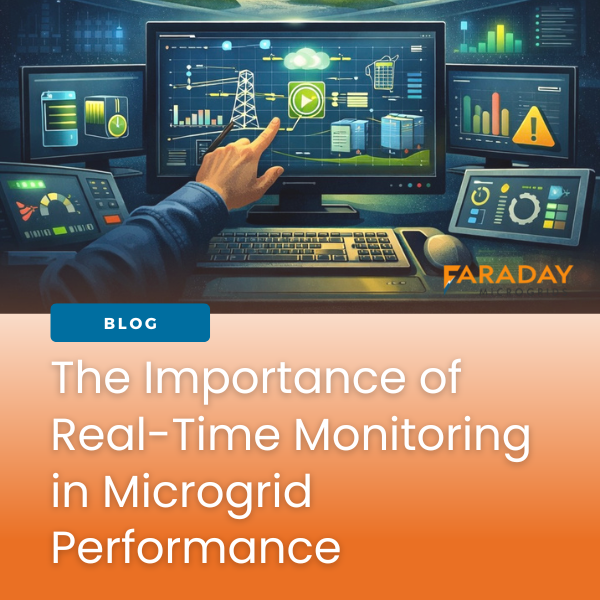
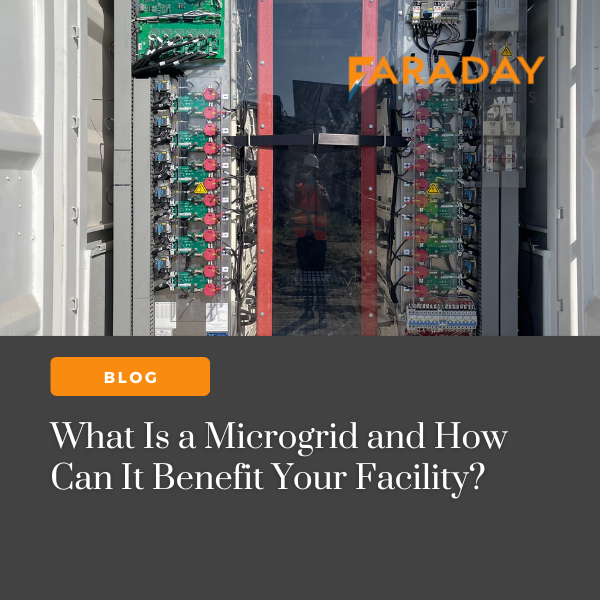
- Microgrid controller: Orchestrates when and how power sources are used.
- Utility transfer panel: Detects outages and transitions the facility to backup power automatically.
Together, these components create a seamless, reliable, and flexible power ecosystem tailored to your facility’s needs.
Top Microgrid Benefits for Facilities
1. Reliability During Grid Failures
The most immediate value of a microgrid is uninterrupted power. During a blackout, your microgrid isolates your facility from the grid and continues to run on stored or generated energy. This is essential for:
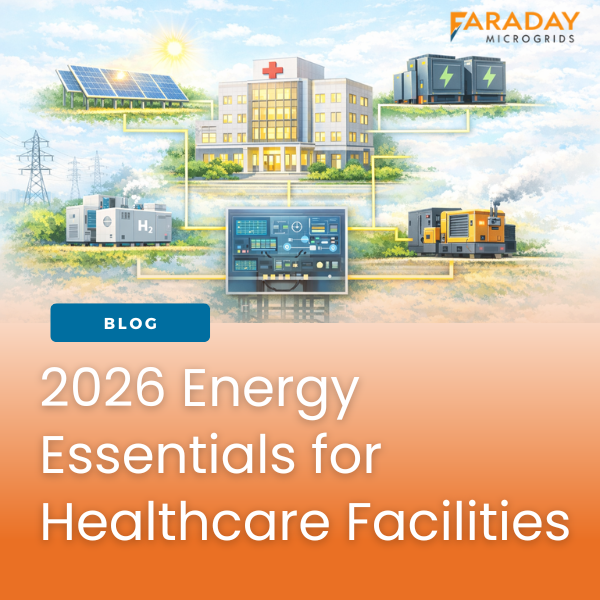
- Hospitals and clinics with critical care equipment
- Data centers and manufacturing plants with sensitive processes
- Food processors and cold storage facilities
2. Cost Control and Energy Efficiency
Faraday Microgrids are designed to lower both your short-term energy bills and long-term operating costs. They optimize when to draw power from the grid, when to store it, and when to use your on-site energy—minimizing demand charges and maximizing savings.
Many customers see energy cost reductions of up to 50%, especially when they qualify for incentives like the Inflation Reduction Act (IRA).
3. Sustainability and ESG Alignment
With solar panels and clean-burning fuel cells, microgrids significantly reduce carbon emissions. That helps you:
- Hit internal sustainability goals
- Comply with local clean energy regulations
- Improve ESG ratings for stakeholders and investors
4. Energy Independence
Traditional utilities are aging, unstable, and expensive. A microgrid puts control back in your hands. You choose where your power comes from and how it’s managed—without being held hostage by rate hikes or grid failures.
What Types of Facilities Benefit Most?
Not all facilities have the same energy demands, but the following sectors consistently gain the most value from microgrid solutions:
- Healthcare: Hospitals, clinics, and labs that require 24/7 uptime.
- Cold Storage & Food Processing: Sensitive to temperature disruptions and product loss.
- Higher Education: Campuses with sustainability mandates and energy-intensive operations.
- Industrial & Manufacturing: Requires stable power to maintain production lines.
- Tribal & Nonprofits: Often underserved by traditional infrastructure, needing long-term resilience.
Your Next Step to Resilient, Cost-Effective Energy
You don’t need to gamble with outages or rising energy costs. You need a proven strategy that delivers resilience, affordability, and control. With a Faraday Microgrid, that’s exactly what you get.
Ready to take control of your energy future?
Schedule a Consultation Today and see how Faraday can help your facility stay powered, lower costs, and meet sustainability goals.