
Skip to content

SUSTAINABLE ENERGY PROJECTS THAT POWER YOUR BOTTOM LINE

Most Facilities Don’t Have a Power Strategy

They may have a backup generator.
They have a utility bill.
They have hope.

And hope works—until it doesn’t.

If you’ve experienced outages, rising demand charges, diesel compliance pressure, or board-level questions about resilience…
It’s not because you missed something.

It’s because the energy landscape has changed.

Utilities are constrained.
Regulations are tightening.
Infrastructure is aging.

Mission-critical facilities are being forced to decide:

Keep reacting—or take control.

Keep Reacting

Keep hoping outages don’t happen

Keep absorbing rising demand charges

Or Take Control

Design for resilience

Engineer long-term cost control

Before we discuss solutions, there’s a more important question:

Does your facility actually qualify for a custom microgrid project?

Microgrids May Be the Key to Energy Independence… But Let’s Be Honest.

You may be thinking:

  • This sounds expensive.
  • This could turn into a disruptive construction project.
  • Maybe this only works for massive campuses with unlimited budgets.
  • What if this becomes a vendor-driven engineering experiment?

Most of the organizations we work with started in that exact place.

Because resilience feels important, but complexity and risk feel dangerous. And you don’t need another ambitious project. You need clarity.

Take the Tour

Why Choose a Microgrid?

Integrating renewable energy into your commercial building or nonprofit can seem like a never-ending project. With Faraday, you’re not just solving one energy problem – you are taking charge of your entire energy system, from production to storage to utilization and, of course, cost. Knock out steep utility energy costs, flatten spikes, maintain operations during utility outages.

Photovoltaic Solar Panels

Watch Video

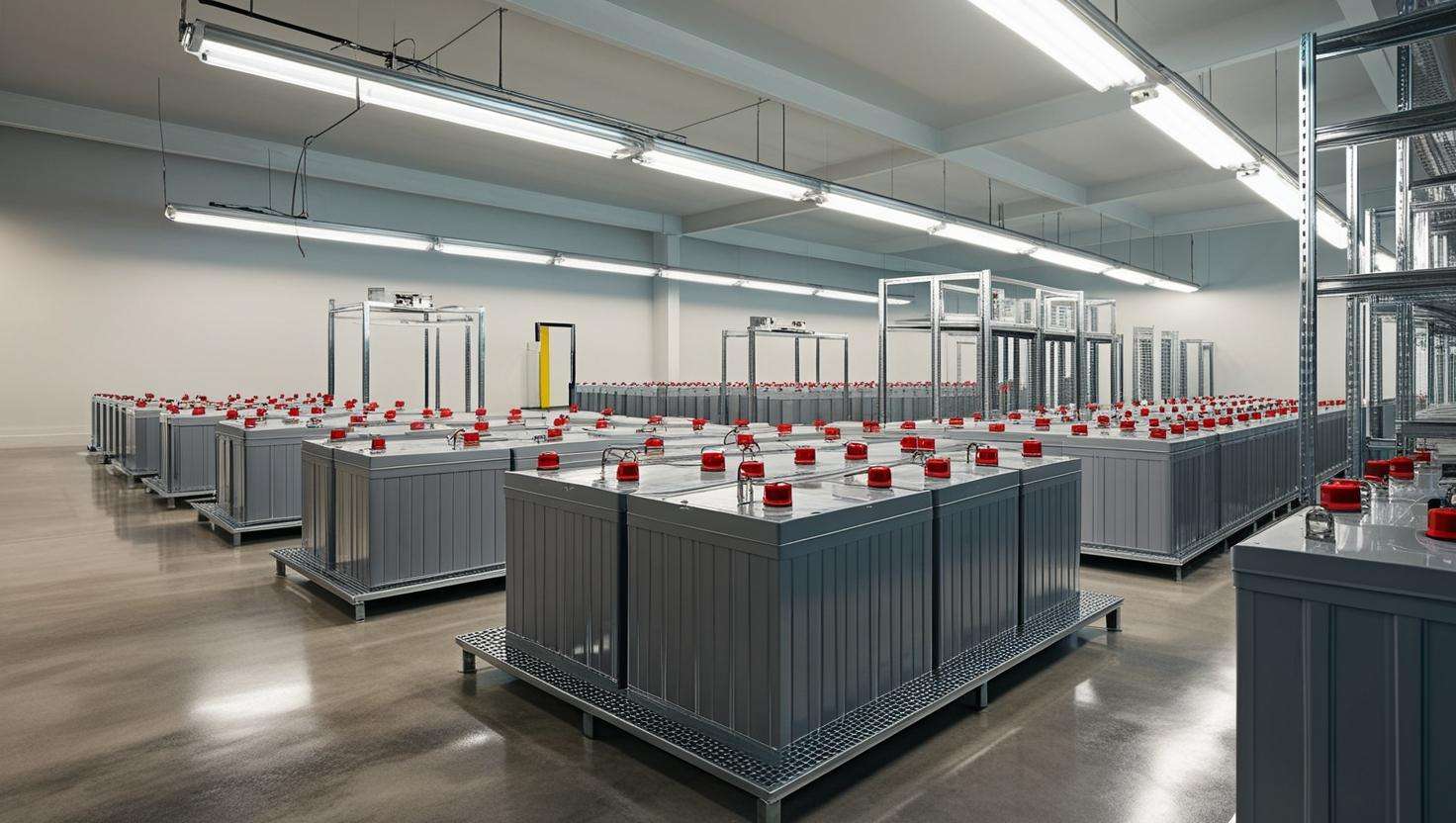
Battery Storage

Watch Video

Fuel Cells

Watch Video

Microgrid Controller

Watch Video

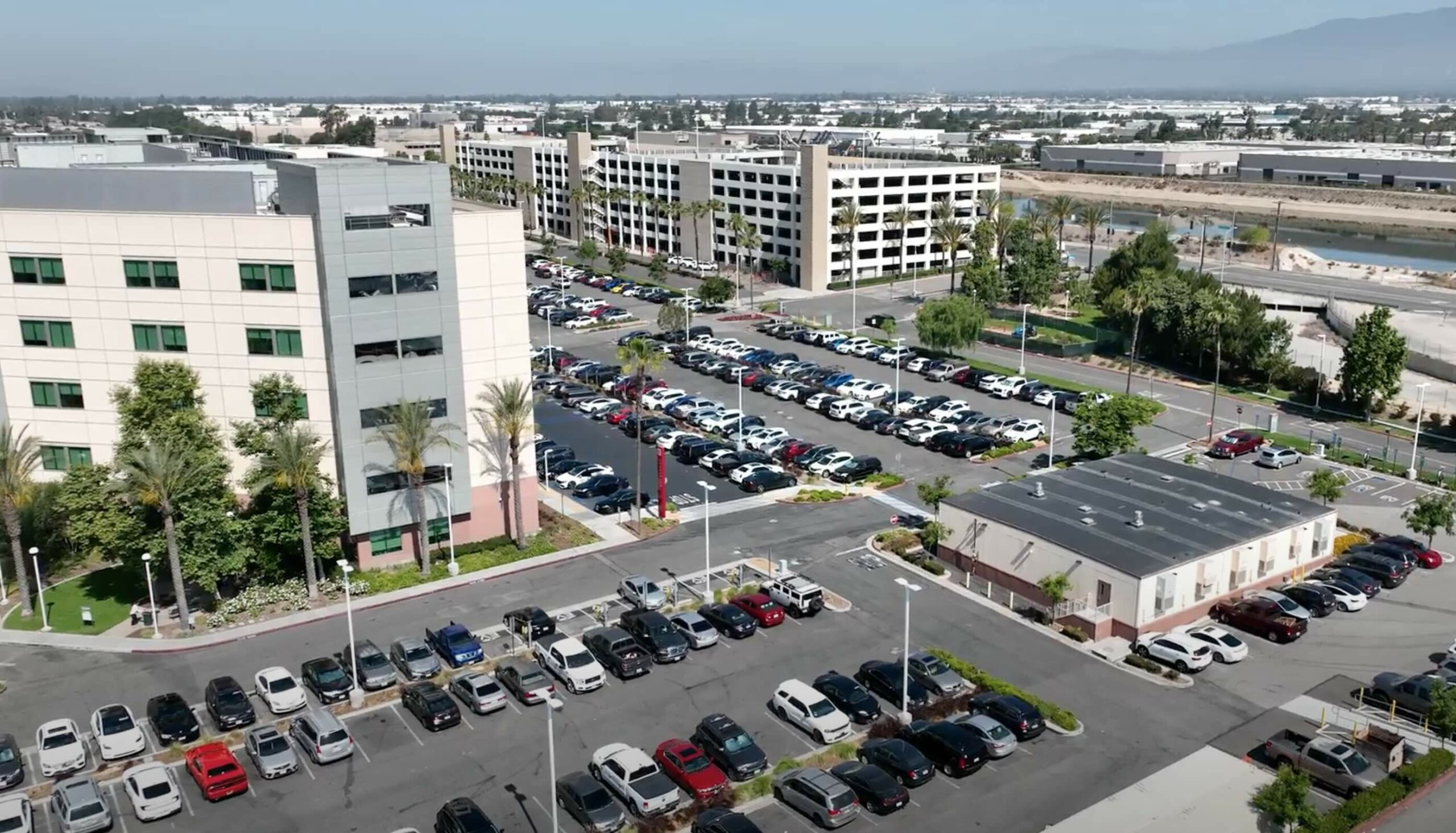
Your Facility 

Watch Video

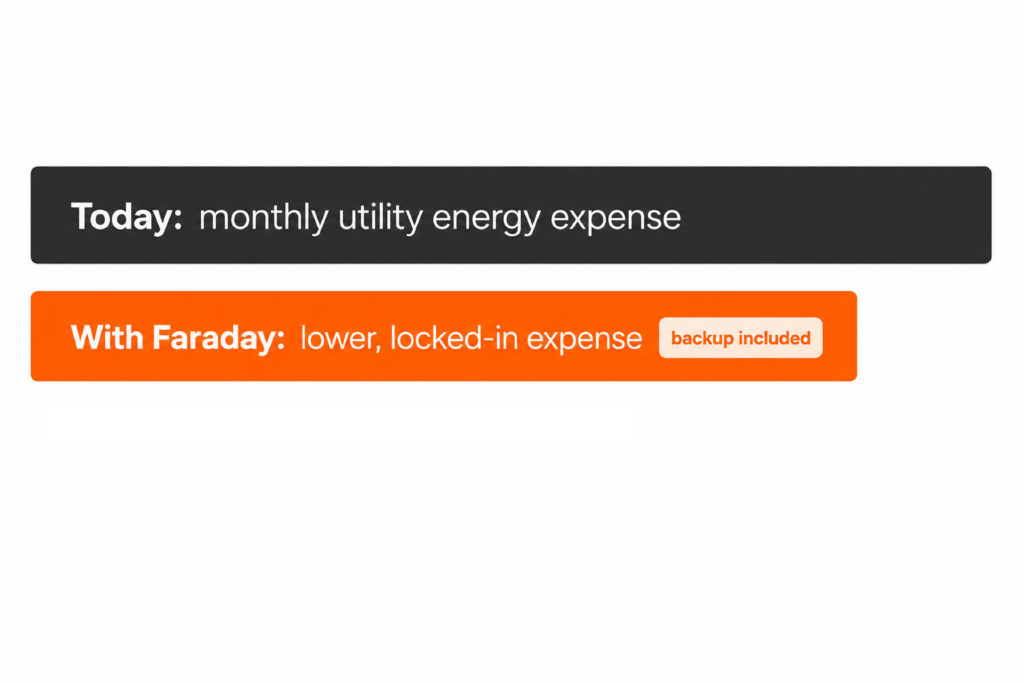
Life Before vs. After

The Questions Leaders Are Quietly Asking

Before: Uncertainty

  • How confident are you in your current outage mitigation plan?
  • If demand charges doubled next year, how exposed would you be?
  • If regulators changed emissions rules tomorrow, what would that mean for you?

After: Clarity

  • A resilience plan you can defend in the boardroom

  • Predictable cost modeling — not reactive budgeting

  • Compliance built into your infrastructure, not layered on later

  • Energy strategy that works whether the grid cooperates or not

Who Faraday Works With (And Who We Don’t)

1

Operate mission-critical infrastructure with sustained demand over 1 MW

2

Face real outage, regulatory, or cost volatility risk

3

View energy as strategic infrastructure, not just overhead

If your facility is under 500kW average demand, a full microgrid buildout may not be appropriate — but there may still be ways to reduce grid reliance.

Why This Is Different

Most energy companies sell equipment – Your project is evaluated based on operational alignment, not hardware margin.

Most firms chase installs – Your facility is carefully qualified first.

Most proposals focus on hardware – Your project is evaluated based on long-term operational alignment

You don’t need another solar installer.
You don’t need a vendor pushing hardware.
And you don’t need a generic energy audit.

You need a long-term operational alignment strategy.

We’ve developed and operate microgrids for leading California healthcare, industrial, and nonprofit institutions because we focus on:

  • CEQA and AQMD navigation
  • Intelligent controls and load optimization
  • Grant and tax incentive stacking
  • Long-term operational support


Energy independence isn’t bought. It’s built.

This is not about panels or batteries. It's about real sustainability.

Environmental
Economic
Operational
Faraday Microgrids
⚡︎⚡︎⚡︎⚡︎⚡︎
⚡︎⚡︎⚡︎⚡︎⚡︎
⚡︎⚡︎⚡︎⚡︎⚡︎
Solar
⚡︎⚡︎⚡︎⚡︎
⚡︎⚡︎⚡︎
0
Fuel Cell / Linear Generator
⚡︎⚡︎⚡︎
⚡︎⚡︎⚡︎⚡︎
0
Building Efficiency
⚡︎⚡︎
⚡︎⚡︎
0
Building Management
⚡︎
⚡︎
0
Diesel Generators
0
0
⚡︎

It’s about control.

The question isn’t, “Does your institution need renewable energy?” It’s, “How can you get a renewable energy solution that meets the demands of your facility, your budget, and your stakeholders?”

Trusted by Institutions That Can’t Afford Failure

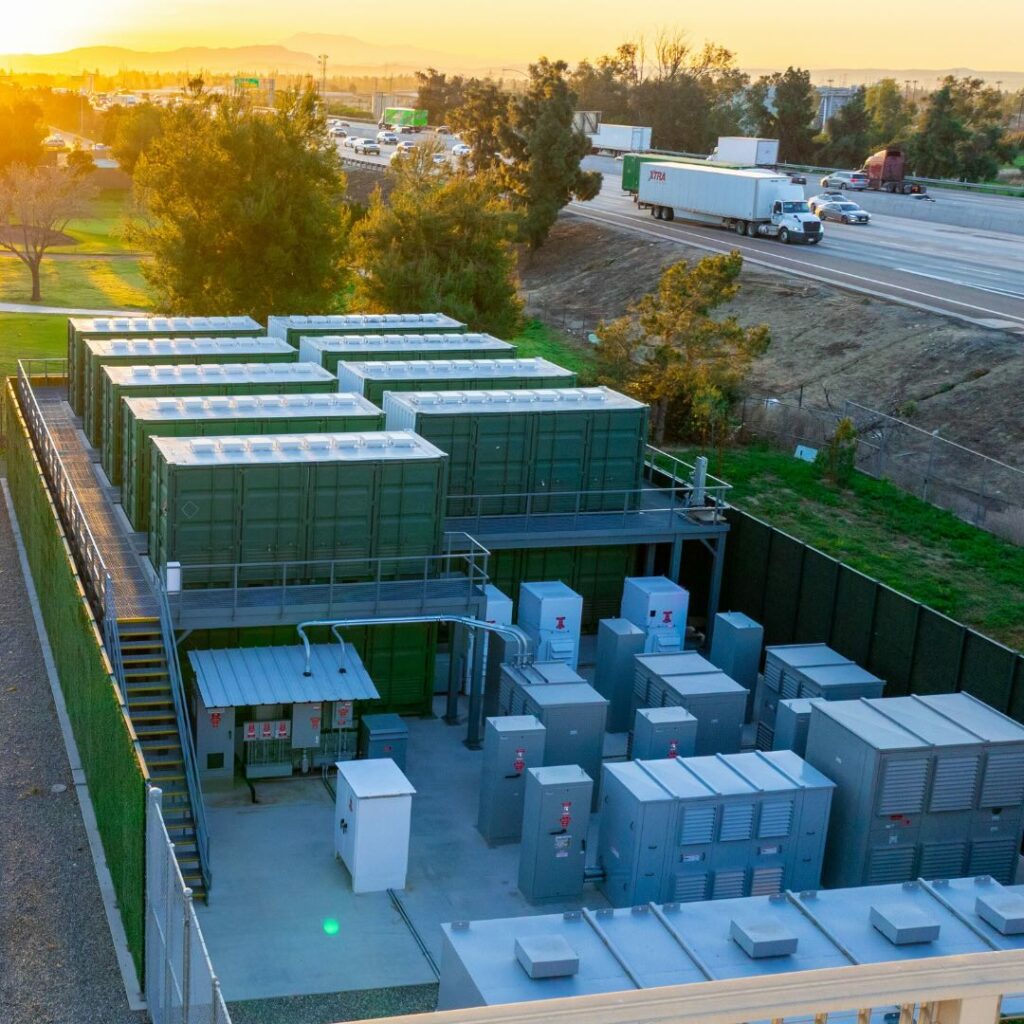
Faraday Microgrids has delivered systems for major California healthcare and essential infrastructure facilities. Organizations like these don’t experiment with power, they qualify their partners carefully. So do we.

Our Microgrid Projects

Not ready to assess yet?

See How the Process Works

1

Diagnose

Assess your facility’s current energy strategy and needs to understand how outages, demand charges, and resilience goals impact operations and long-term risk.

2

Align

Match your facility’s scale, regulatory pressures, and sustainability objectives with a tailored microgrid approach that fits your operational, economic, and environmental goals.

3

Engineer

Develop and execute a customized microgrid design that integrates generation, storage, and controls to deliver reliable power, cost stability, and resilience for your facility

Fill out the form to receive your free copy of Never Go Dark: Why Microgrids Are the Ultimate Resilience Solution.

How to prevent business power outages
faraday microgrids logo

Let the Faraday team do the heavy lifting on your next sustainable energy project so that you can capture the significant financial, operational, and reputational benefits of a renewable energy microgrid!