Faraday Industries
Microgrids for California industries where energy is mission-critical.
Cold Storage, Food Processing, Manufacturing, and Healthcare & Institutional. Each industry maps to one or two pre-engineered Faraday tiers. Most California commercial sites land at Endurance.
Not sure which sector your building belongs to? The Feasibility Study is the answer in 30 days at a fixed price.
Why we organize by industry
Different facilities. Same energy problem.
California cold storage, food processing, manufacturing, and institutional facilities don’t share an operating manual. They do share an energy economics problem with demand charges, rate-schedule exposure, outage cost, and resilience requirements that the utility is no longer underwriting. The Faraday tiers are pre-engineered, fixed-scope responses to that shared problem. The Feasibility Study confirms which tier fits your specific site.
Industries at a glance.

Cold Storage
High exposure to demand charges. Low spoilage tolerance in case of an outage.
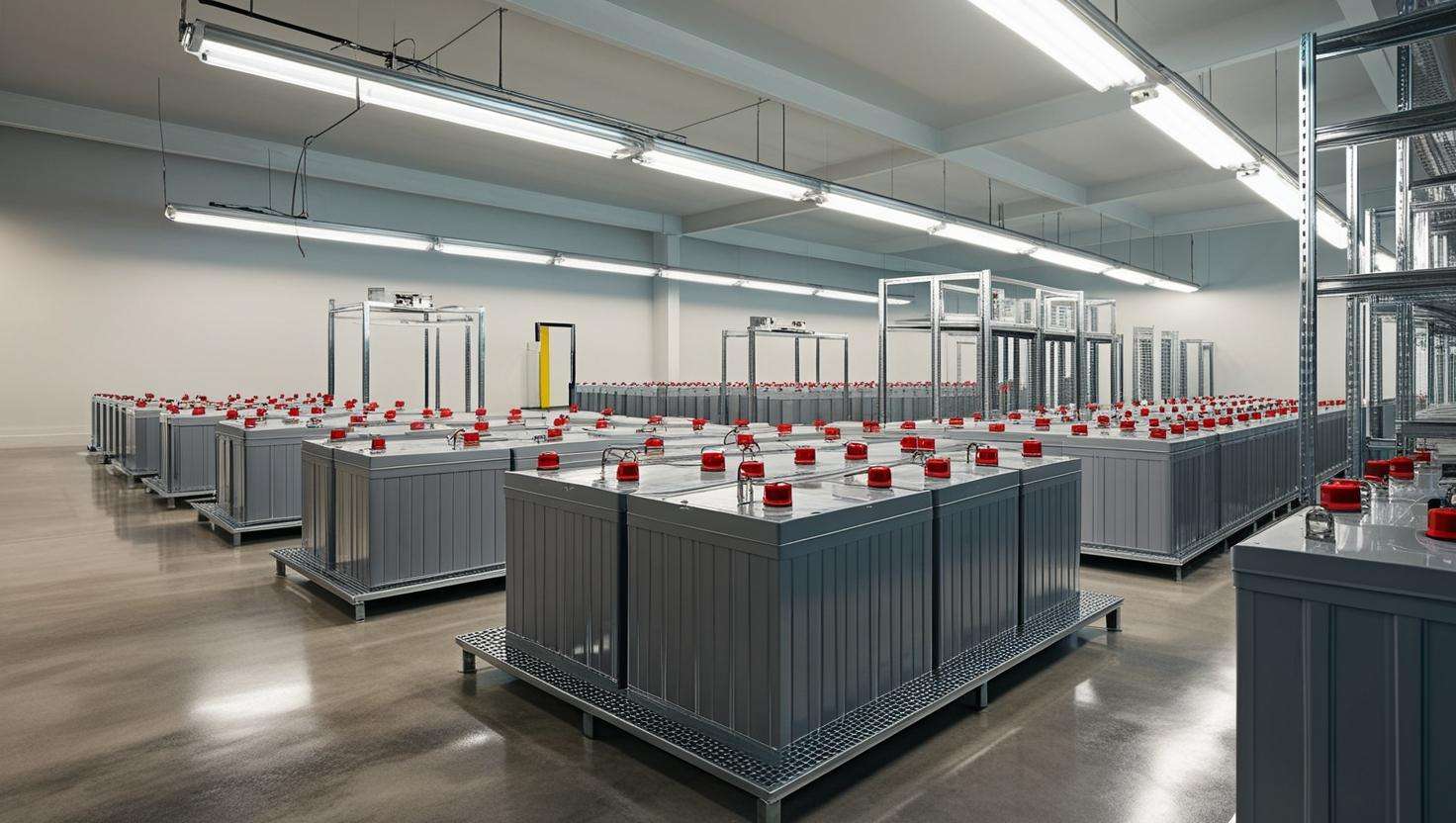
Food Processing
Processes that require continuous operation due to spoilage risk and cost of reordering.
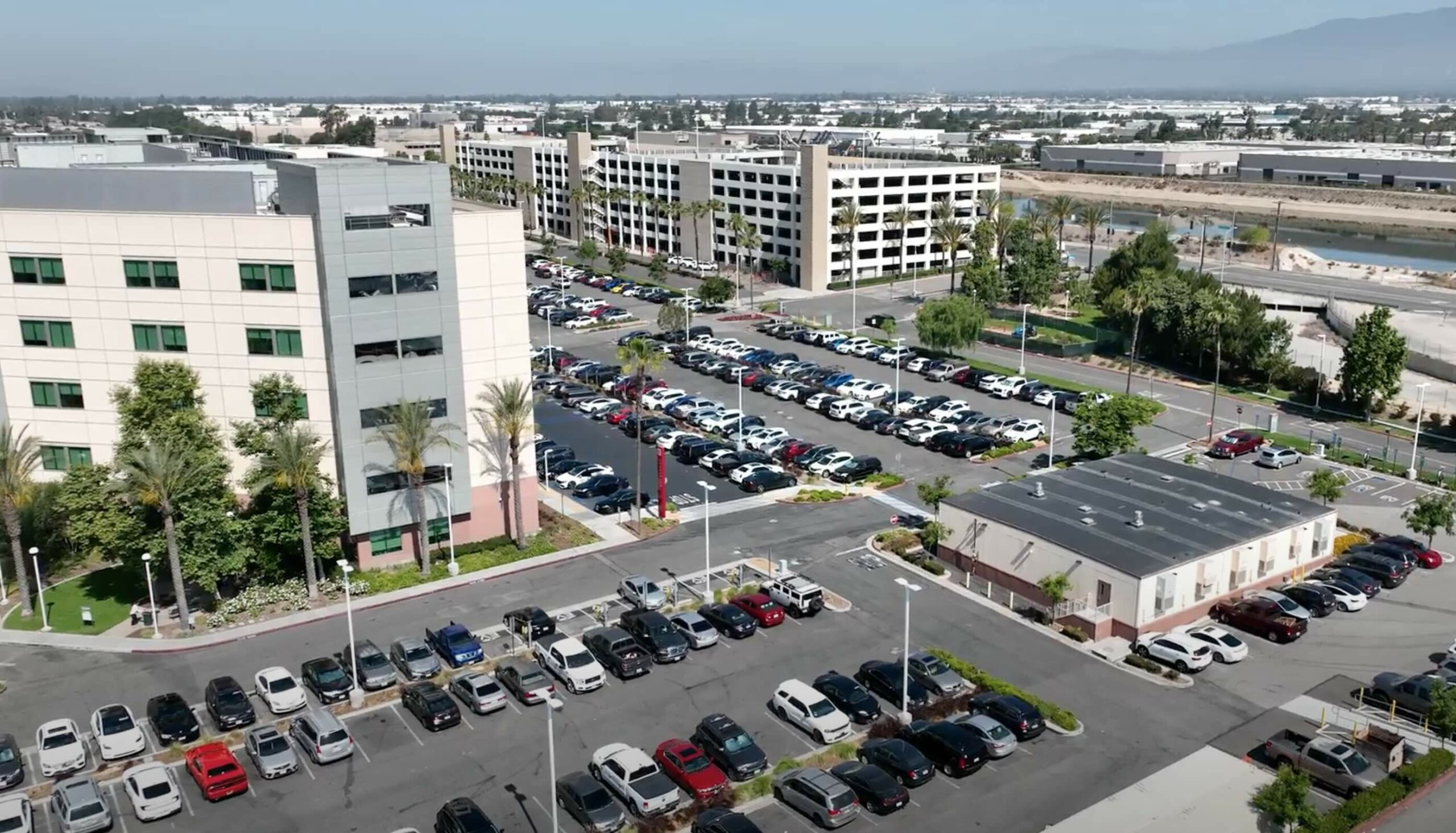
Manufacturing & Multi-tenant
Operations where demand charges are relevant and earnings depend upon availability.
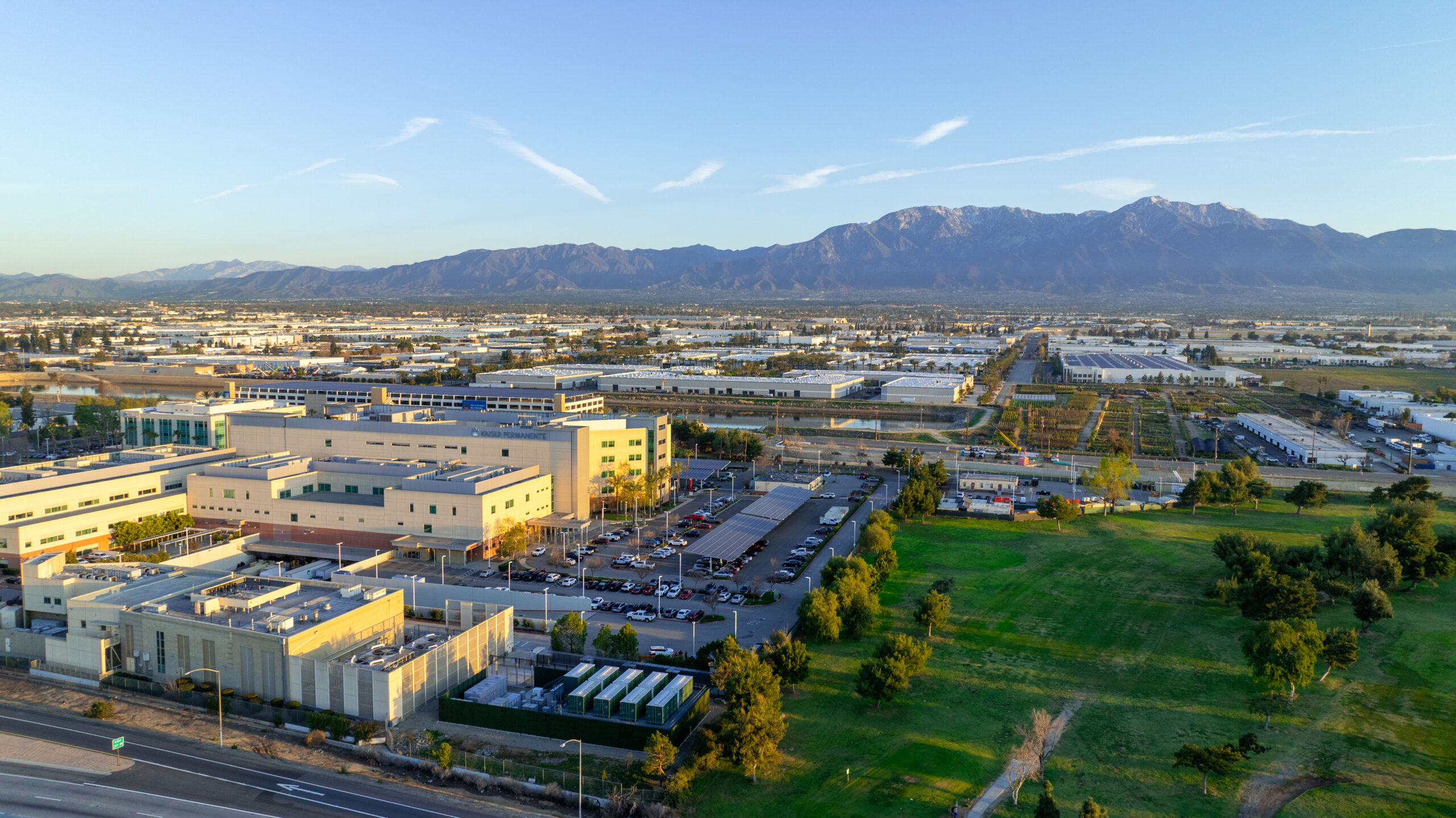
Healthcare & Institutional
Faraday’s roots. Grant-supported and institutional research.
Compare the verticals side by side.
|
Industry
|
Typical pain
|
Typical Faraday tier
|
Typical economics
|
Page link
|
|---|---|---|---|---|
|
Cold Storage
|
High demand charges plus 24/7 refrigeration plus multi-hour spoilage risk.
|
Endurance
|
Demand-charge reduction and bill flattening via PPA terms in this range; downtime-cost avoidance across multi-hour grid events.
|
|
|
Food Processing
|
Process continuity plus demand-charge exposure plus cold-chain integration.
|
Endurance
|
Bill flattening across the multi-shift schedule; production-line continuity savings in spoilage-sensitive lines.
|
|
|
Manufacturing
|
Continuous vs. discrete production; demand-charge exposure plus outage cost.
|
Resilience or Endurance — depends on outage tolerance and shift pattern. Study-driven.
|
Tier-dependent. Resilience structure for shift-based discrete manufacturing; Endurance structure for continuous manufacturing and high-outage-cost lines.
|
|
|
Healthcare & Institutional
|
Code-driven (NEC, NFPA 110); operational continuity to code; grant or capital-program funding.
|
Separate engagement — not the standard commercial path
|
Project-specific scope, fee, and structure; typically grant-funded or capital-program-funded. Engagement begins with a different conversation than the Feasibility Study.
|
Where Faraday fits at facilities like yours.
Cases based on types of California facilities that Faraday can operate in.

Cold Storage
Central Valley refrigerated warehouse, ~250 kW peak load
Demand charges by PG&E B-20 increased. Refridgerator system is always operating with a potential risk of spoilage for many hours. The most recent PSPS event resulted in some load sheddings as well as nearly failing temperature requirements.
Endurance-based solutions include solar + battery + islanding configuration depending on the critical loads chosen and refrigeration for 4-12 hours.
Endurance fit
Food Processing
Coastal California food processor, ~400 kW peak load
Multi-shift manufacturing operation with cold chain. Demand charges are one of the significant contributors to the monthly electricity bills. The previous outage had resulted in six-figure losses of batches.
Endurance solution: Solar + battery + auto-island, scaled to maintain an uninterrupted production line despite any grid disruptions while reducing demand peaks throughout the 24 hours.
Endurance fit
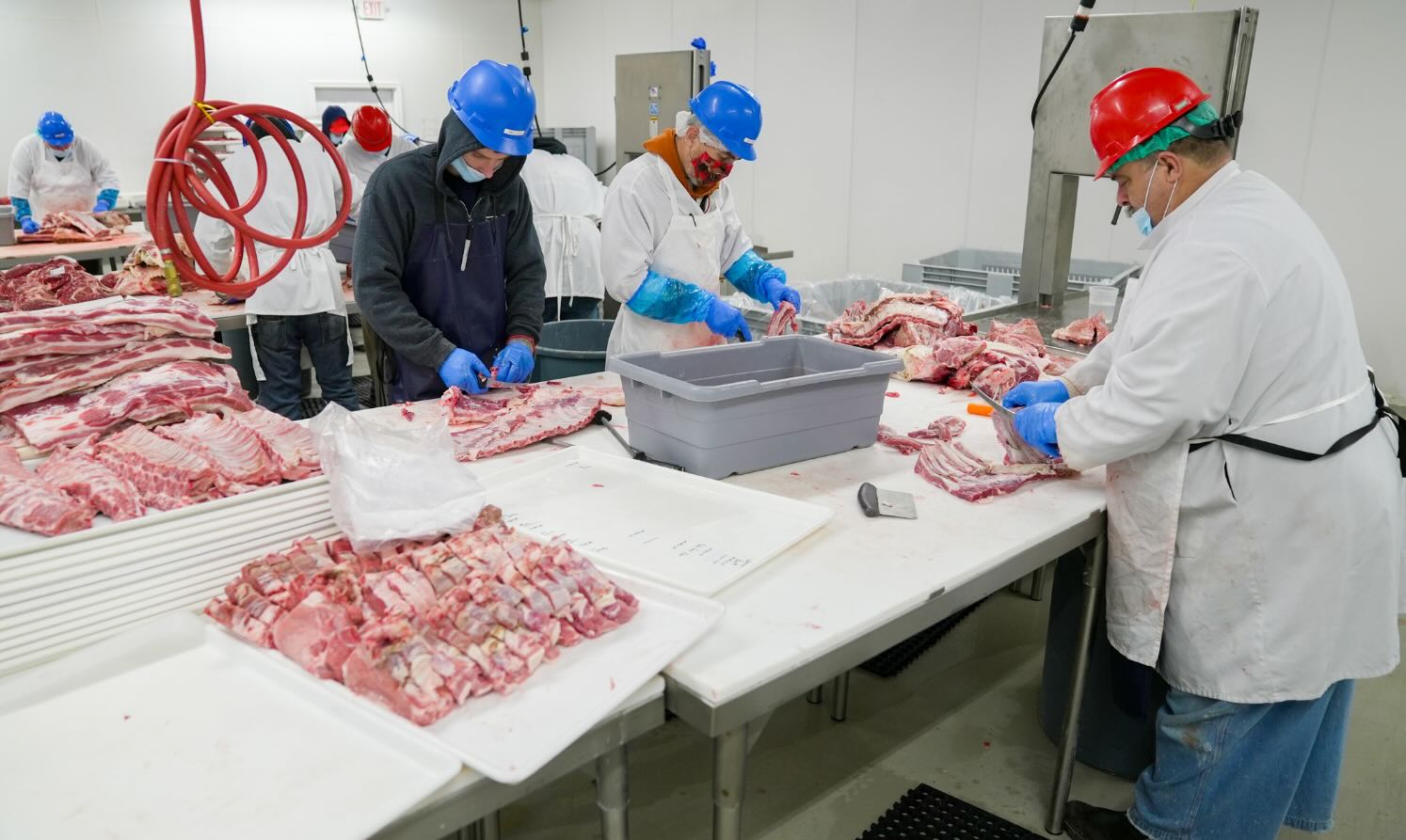
Anonymous case studies based on representative characteristics of California facilities. Commercial case studies will replace these once our work together is done. See Proof for the full project library.
Your industry determines how to begin. The Study reveals where you stand.
Your industry sets the typical pain pattern. Cold storage facilities emerge based on demand costs and refrigeration reliability; biotechnology facilities emerge based on the need for sample integrity. Verticals in this hub reveal how we tend to see things, why the particular tier tends to be the right fit, and how the economics of it all tend to play out. However, “tend” is the operative word – the actual interval profile, rate structure, list of critical loads, and risk factors define your vertical.
Find out if a Faraday Microgrid is a fit for your site.
A free 30-minute screening call. If your facility is a fit, the next step is a 30-day, fixed-fee Feasibility Study.