Faraday Industries — Food Processing
Reliable Power. Continuous Production. And a reduced energy bill.
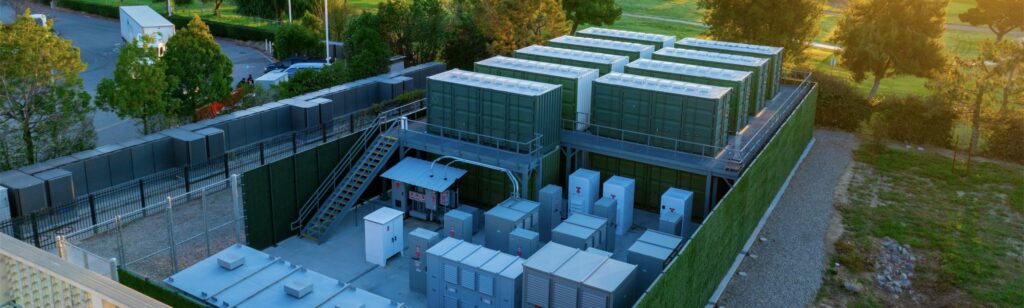
The Faraday Endurance microgrid system for food & beverage producers in California reduces your energy operating cost, ensures your continuous production line remains operational even during grid outages, and converts one element of your utility bill to a fixed monthly cost. No capex required.
Why a generator and an ATS don't suffice on a continuous-process line.
A diesel generator and an Automatic Transfer Switch ensure power continuity at a food-processing plant. In reality, however, there are four FP-specific reasons why the standard solution is insufficient. These reasons are specific situations where the Faraday’s Endurance solution — solar power, energy storage, automatic islanding and battery backup — can do what a generator alone cannot.

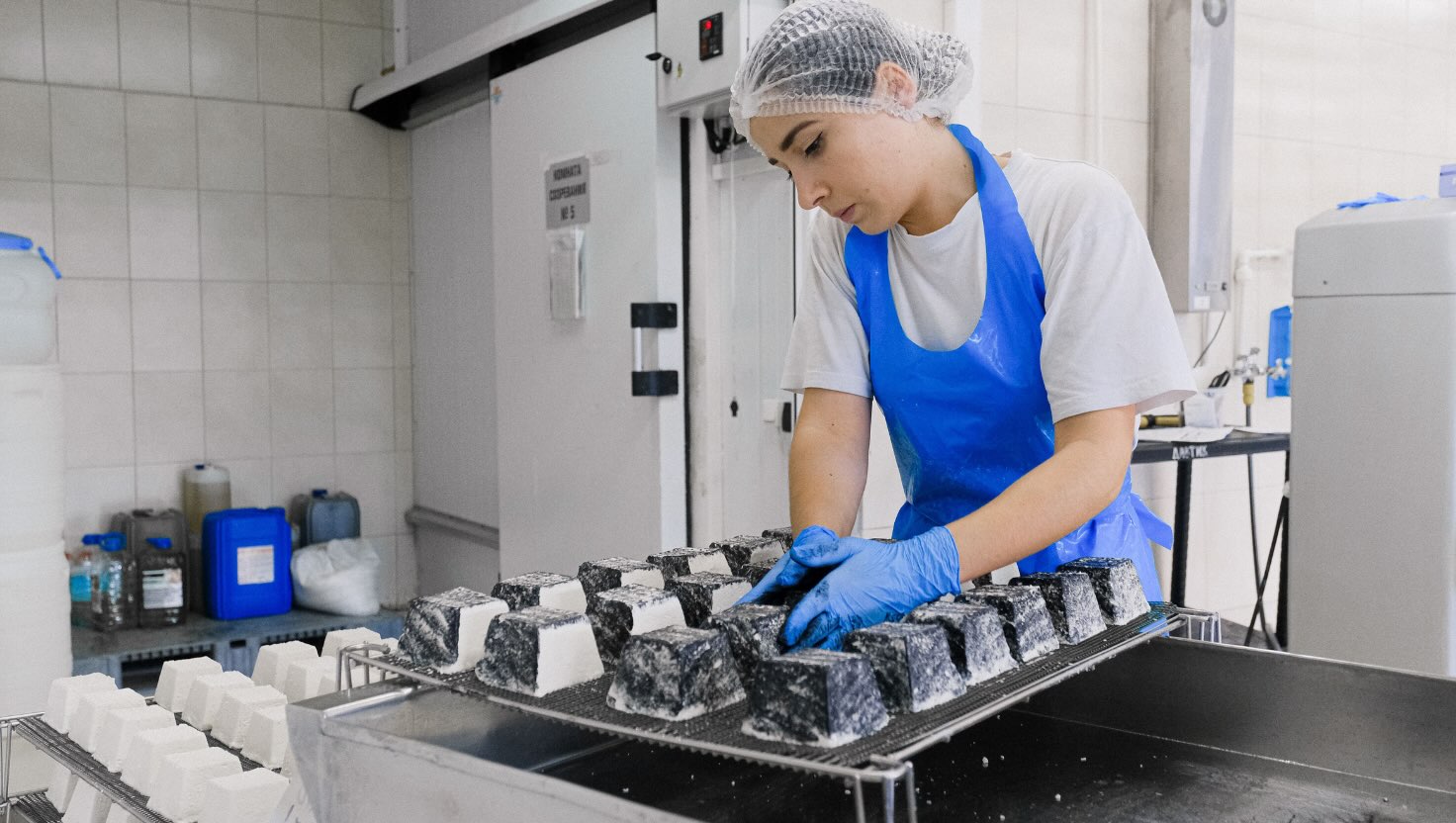
Batch loss if the ATS fails to ride through a sag.
In a continuous-process environment, a power sag that the ATS fails to ride through results in batch loss, a four- to twelve-hour re-sanitation process, and product waste — not a minor disruption. The financial exposure of a single continuous process line in a power sag lasting only two seconds may run into thousands of dollars per minute of production stoppage — a magnitude higher than monthly demand-charge costs. Battery-backed automatic islanding bridges the event without starting up a generator. An ATS cannot.
FSMA risk in the documentation of finished goods storage.
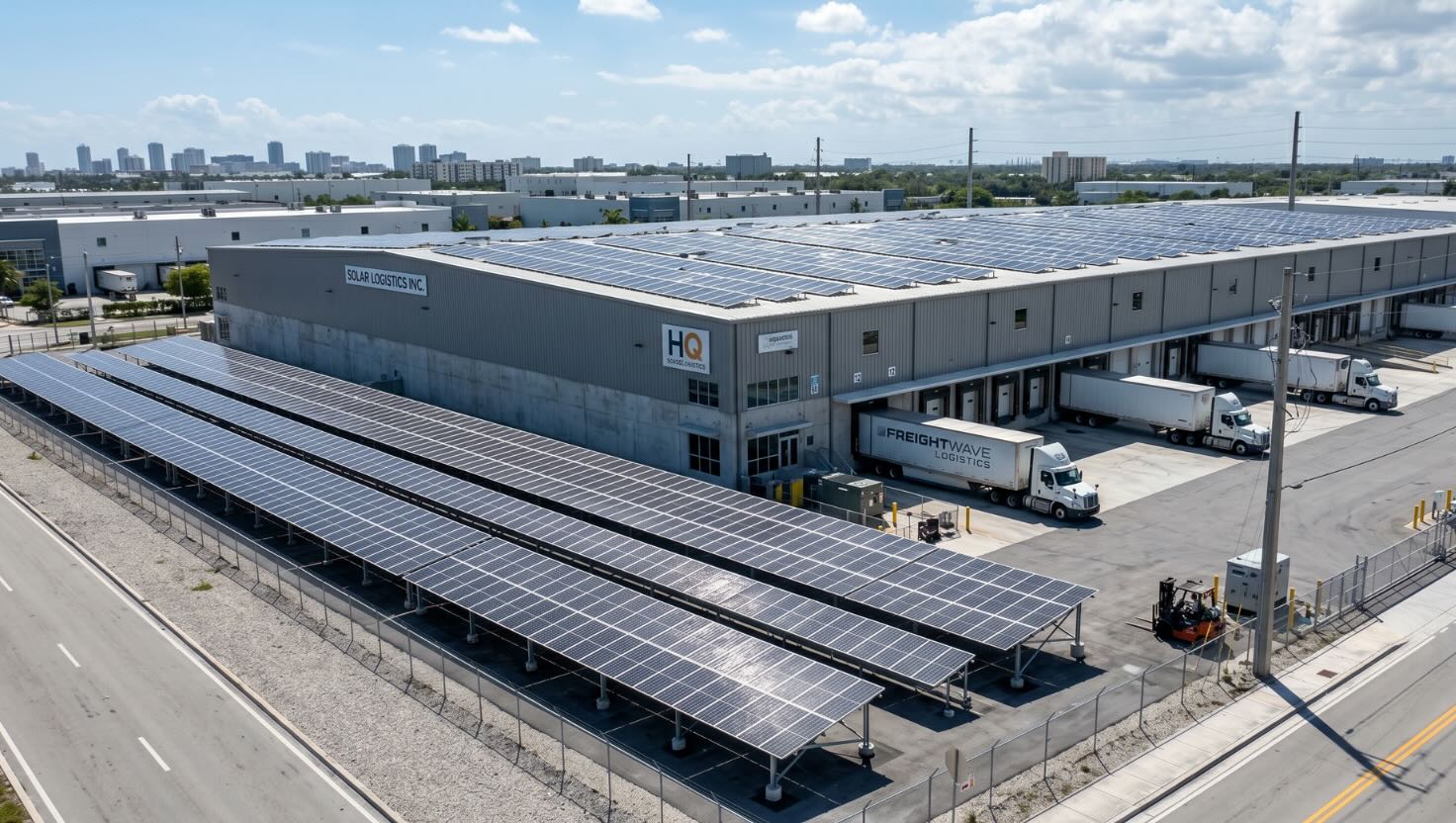
Almost all food processing companies have refrigerated finished goods storage which must comply with FSMA preventive controls requirements (21 CFR Part 117). Temperature fluctuations during outage periods become recordable incidents, necessitating corrective measures, audits, and in extreme cases filing reports with the FDA. A two hour delay in generator start-up as a result of transfer switch failure is an issue of regulatory concern, not inventory concern. Microgrids provide uninterrupted island mode operation.
Interrupted CIP cycles cause scheduling issues for shifts.
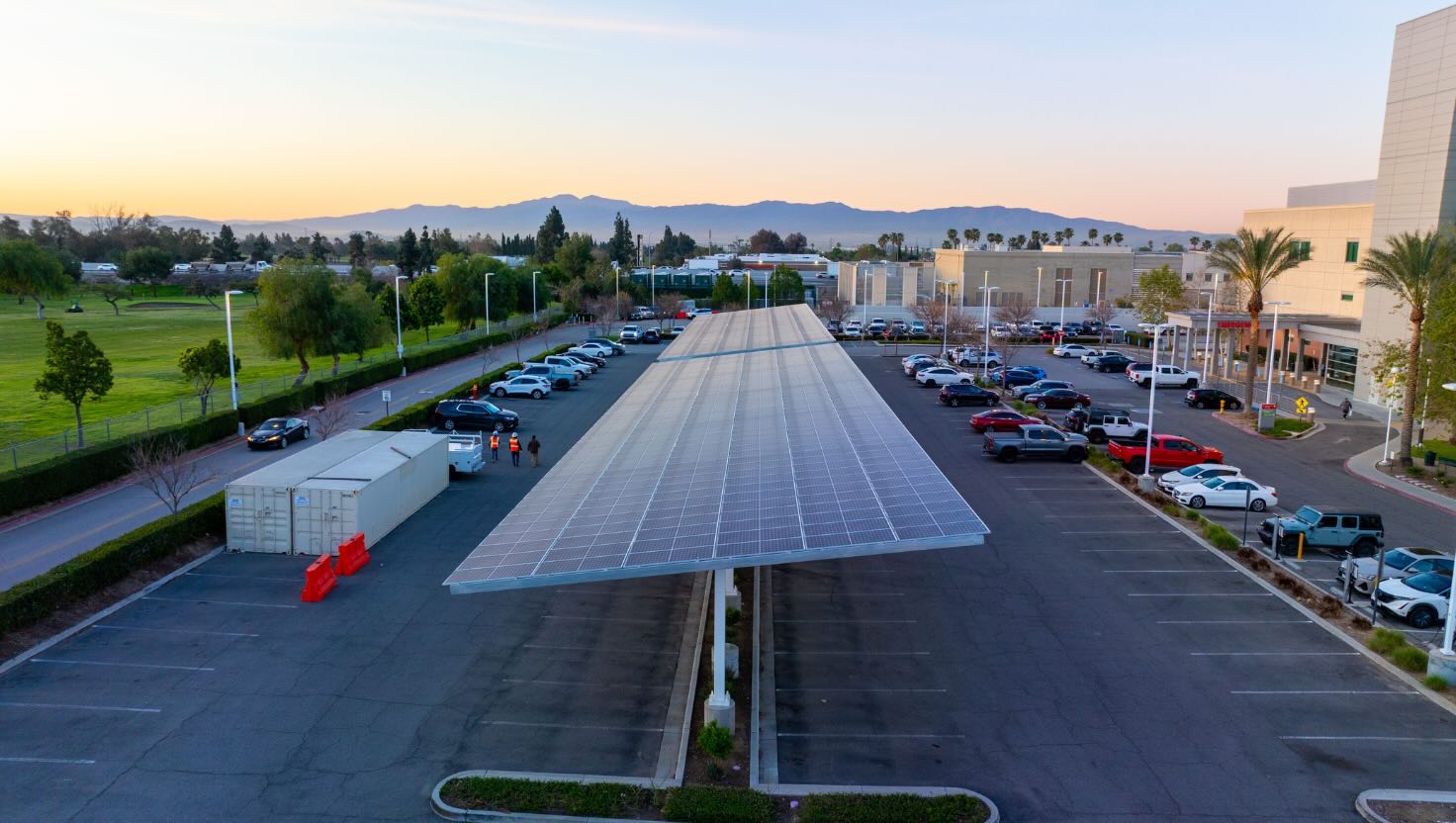
In the case of failed CIP cycles during a power outage, a complete restart is needed, including draining and penalties on chemical reuse, and it affects the shift schedule, often requiring a re-validation of the cycle before resuming production. In wet process lines (such as dairy, beverages, sauces, and ready meals), the cost associated with this problem is specific and preventable.
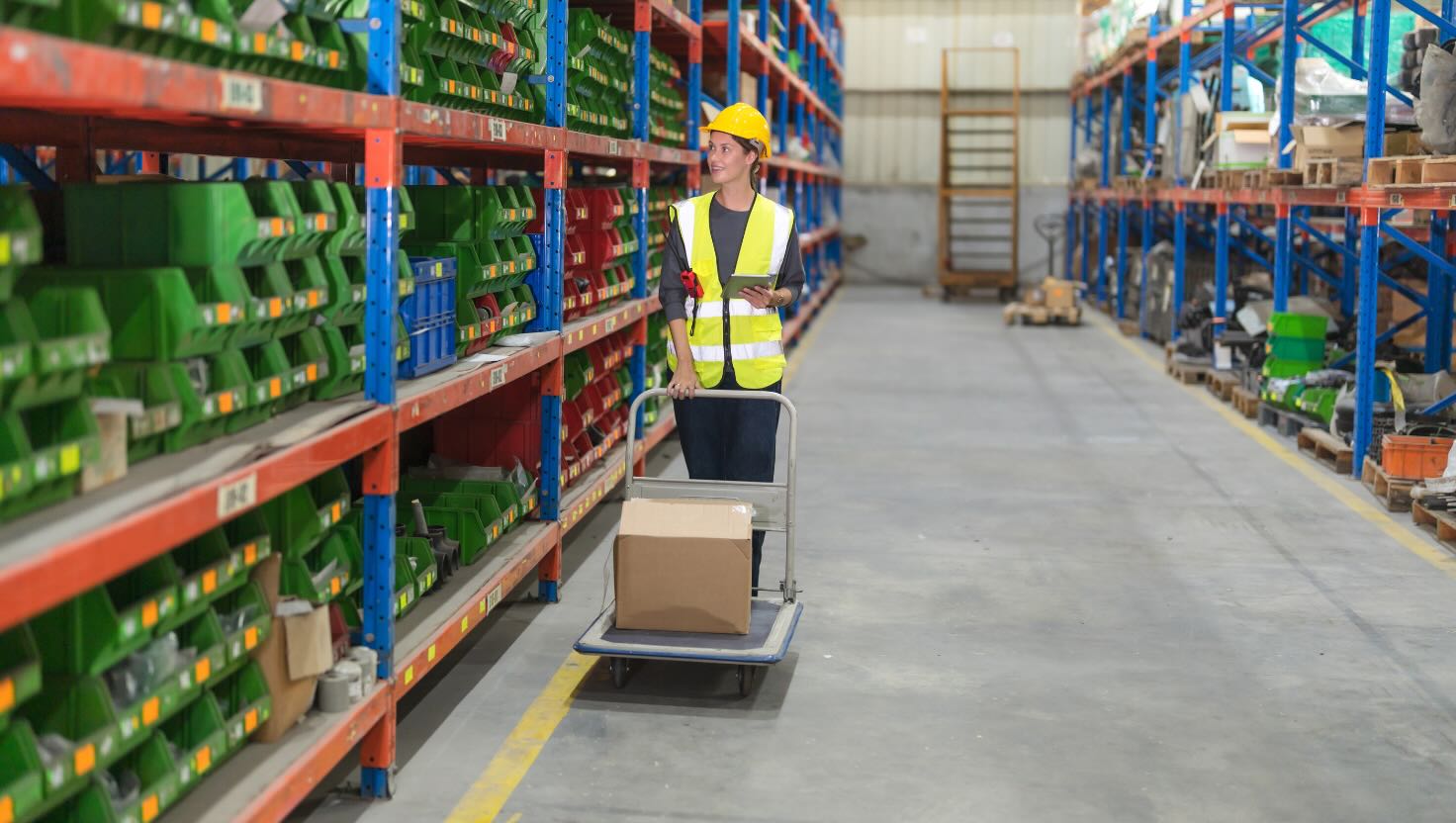
Voltage sags an ATS can’t see.
VFDs, today’s PLCs, and servo packaging machines trip on voltage dips that happen within 50–200 milliseconds; an automatic transfer switch is blind to such occurrences. The genset and ATS combination will cover total failures but not power quality problems that cause FP line failure. An Endurance microgrid with grid following inverters and batteries gives ride-through capability.

How Endurance impacts your utility bill and outages.
Endurance is Faraday’s flagship business plan. For a food-processing facility running on PG&E, SCE, or SDG&E, this means the following three business impacts in relation to how FP facilities really consume electricity and how they incur financial losses due to grid outages.
Peak shaving on demand-charge tariffs.
By harnessing solar generation during the day, the demand charge is lowered from the bill. By managing the battery storage, the shift ramp-up and cycling demands of the equipment that increase your demand charge can be lowered. In case of demand charge-based rate schedules like B-20 or TOU-8, demand charges generally account for 30-45% of the FP facility electric bill, and this is one of the most impacted areas by the battery dispatch.
Island mode for line and audit continuity.
Should the utility fail or sag, the microgrid isolates in milliseconds to serve your selected critical loads, including primary process equipment, refrigerated finished good storage areas, packaging lines, sanitary systems, and life safety/egress on a combination of solar and batteries without the generator start delay. The grid-forming inverter structure also rides through any power quality disturbances that are missed by the ATS. When a generator is installed, the microgrid integrates it seamlessly into the islanded mode rather than battling against it.
Multi-hour battery backup, appropriately sized.
Endurance includes 4 to 12 hours of critical load coverage according to system size. In the vast majority of FP disruptions, which tend to be short in duration, this range will cover the incident without any loss of a batch, an FSMA documentable event, or the burning of generator fuel. In longer disruptions, the generator provides additional endurance.
Which Faraday tier fits your manufacturing facility?
If you prefer to see a comparison of all four tiers of Faraday technology, visit the Tiers Hub. In summary, food processing plants should use Endurance, while Resilience is the alternative for small batch plants with predictable loads.

Endurance — the first choice for food processing.
Solar + storage + automatic backup for 4 to 12 hours. Suitable for facilities that rely on uninterrupted processing lines, finished product cold storage, or CIP cycles that cannot tolerate any gap.

Resilience — when less ride-through time is required.
Solar + storage + automatic backup for 1 to 4 hours. Appropriate for small batch processors with scheduled shifts where battery run times of 1 to 4 hours are sufficient for the longest planned outage.

Can’t make up your mind?
Not sure which fits?
That’s exactly why you run the Faraday Feasibility Study — because it takes into account your particular shift scheduling, your tolerance for outages, your exposure to downstream customers’ SLAs, and your demand charge profile in sizing the tier.
Here’s what that means for a 1,200 kW food processing facility on PG&E B-20.
The following is a directional example using the case study of a typical California food processing facility. Your specific numbers will be different.
Profile.
- Rate schedule: PG&E B-20 Primary Voltage (or equivalent SCE TOU-8 / SDG&E AL-TOU on those territories).
- Facility type: continuous-process or multi-shift batch food-processing plant with refrigerated finished-goods storage.
- Floor area: ~250,000 sq ft.
- Annual peak demand: ~1,200 kW.
- Annual consumption: ~7,500,000 kWh.
- Annual utility bill (status quo): ~$1,780,000.
- Annual demand charges: ~$885,000.
Faraday Endurance system concept.
- Solar PV: ~1,800 kW DC.
- Battery storage: ~2,500 kW power / ~10,000 kWh.
- Automatic islanding sized to a ~700 kW critical-load envelope: process equipment for the highest-cost-of-failure line, refrigerated finished-goods rooms, packaging-and-labeling, CIP / sanitation systems, WMS / IT, life-safety / egress.
Directional Outcomes
- Year-1 PPA savings vs. status quo bill: ~$235,000.
- Year-1 Equipment Lease savings: ~$125,000.
- 20-year cumulative host savings: ~$8.5MM (Equipment Lease) to ~$9.0MM (PPA).
- Critical-load runtime during grid outage: 4–8 hours (configurable; Endurance envelope)
These numbers represent a sample facility at B-20 that is constantly running and has a multi-shift demand profile. Your load shape — the combination of your load factor, shift pattern, process line ramping, and amount of refrigerated storage — determines the optimal sizing of your system’s solar versus batteries.
Why the Faraday Feasibility Study gives you more than this page can.
The numbers presented here are only indicative. The Feasibility Study makes them yours: Your load shape, your utility’s true rates currently being charged to you, your Endurance solution sized to your operation with constant lines and specific shift patterns, and your financing details offered by a real partner. Fixed fee. Fixed scope. Fixed timeline. Documented in a report you can give to your Board, your CFO colleague, or a financial partner.
What we do not do.
The Faraday Endurance is a commercially manufactured microgrid with a defined scope, configurable, and appropriately sized for your needs. There are three key areas that we do not cover on food processing projects.
Process-control integration
We do not touch your process controls.
Your line control PLCs, MES systems, batching systems, refrigeration rack controls, packaging servo controls, and sanitization cycle controls – they are all left untouched and still covered by your process control manufacturer’s warranty. The Faraday system interacts with them at the load shedding and islanding point of separation; we neither replace them nor interfere with their logic.
Diesel is not recommended as the main power source.
If there is a generator in the setup, its role is to provide extended runtime beyond the battery. This generator will reveal all its weak spots only in the case of the first multi-hour outage. Food-processing plants that use diesel as their main backup power source will have to face those weaknesses during the first long-term outage.
We don’t consider sizing based on facility expansions that you have not planned.
The system will be sized based on your existing load requirements and a prudent estimate of future growth. If you are in the process of planning any substantial facility expansion, new continuous production line, or shift pattern change, then this is the task of the Study.
See if the numbers make sense for your organization.
Let’s start with a free 30-minute feasibility call. We’ll review your organization profile, current rate structure, shift schedule, outage tolerances, and see if a Feasibility Study makes sense for you.