
Faraday Microgrid Tiers — Independence
Multi-day backup. Lower energy operating cost. No diesel.
The system consists of solar panels, batteries, a linear engine or a fuel cell, which provides multi-day backup power using natural gas, propane, or hydrogen mix – specifically designed for those facilities where battery runtime hours are not sufficient. The system is paid for as part of operation costs through PPA or lease agreements. No capex necessary.
Developed for California commercial sites where the cost of a power failure is counted in hundreds of thousands to millions of dollars a day, and installing a diesel generator is not a viable option anymore.

Independence is designed for California sites where a long outage can be calculated in days of cost, not hours.
Faraday Independence applies to four scenarios where the cost of a multi-day grid event comes to six- or seven-figure costs per day, where installation of a new diesel generator is becoming harder or impossible to permit, or where Environmental, Social, and Governance (ESG) commitments and emission reporting make diesel untenable. The key element in all these scenarios: vital operations that need to continue running through a multi-day Public Safety Power Shutoff, regional weather event, or other multi-day grid event — and where battery-only operation just won’t cut it.

Cold Storage & Food Processing
Cold storage logistics, food & beverage processing, ice production, and agricultural products cold chain management. Multiple day outage will result in spoiled product measured in terms of truckload volume; insurers do not cover consequential loss. Air quality district regulations that apply in large parts of California's Central Valley and coastal region continue to make diesel-powered backup generation increasingly difficult to permit. Independence offers multiple day backup on natural gas or RNG.
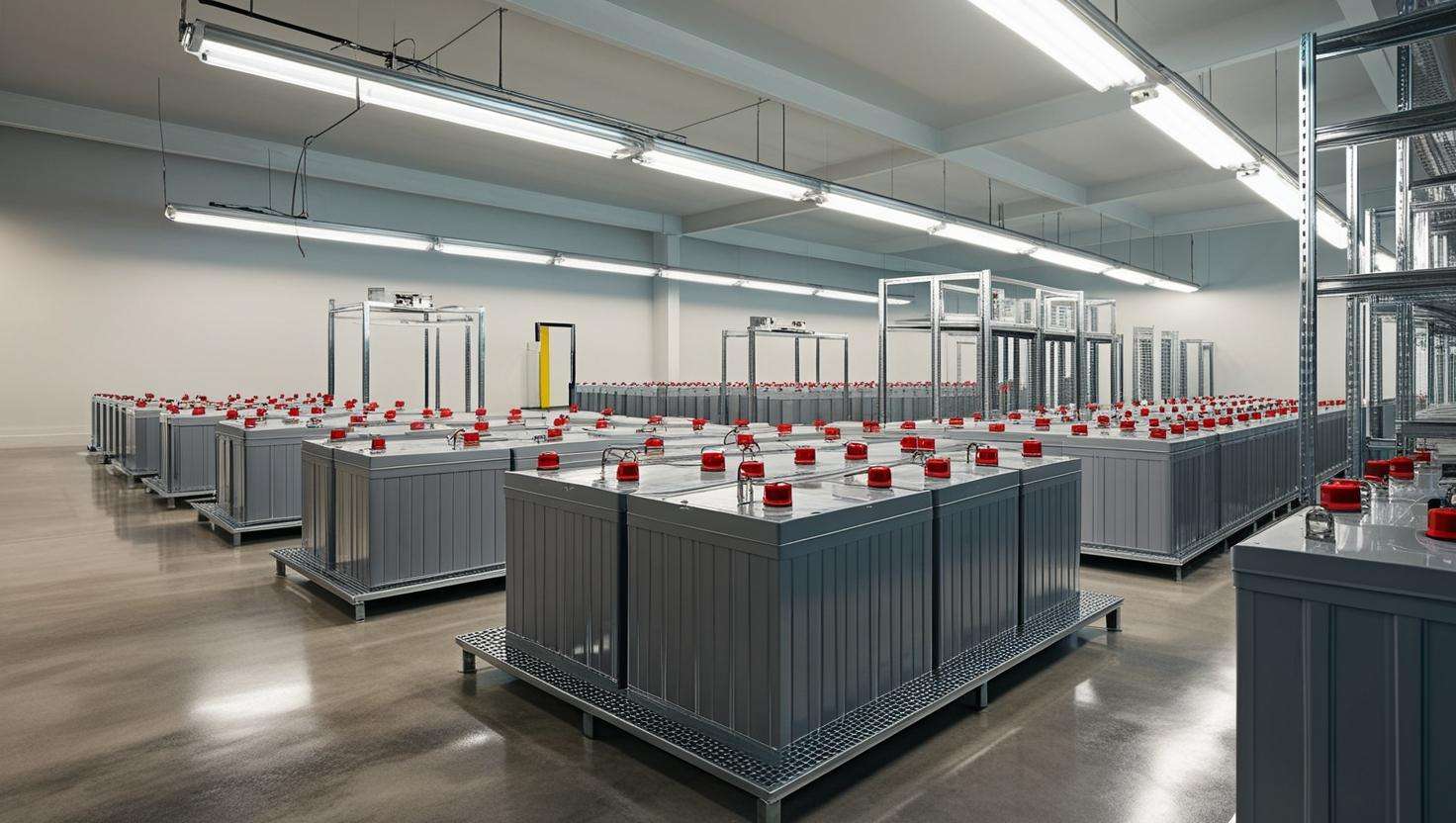
Continuous-Process Manufacturing & Biotech
Semiconductor manufacturing, glass and metal continuous casting, selected chemical processes, and biotech applications with live sample or process integrity exposure. A grid interruption affecting a continuous process will jeopardize weeks' worth of work-in-progress inventory and require a restart cycle of several days. Multi-day back-up costs itself out when one interruption event is expensive enough to pay for the installation.
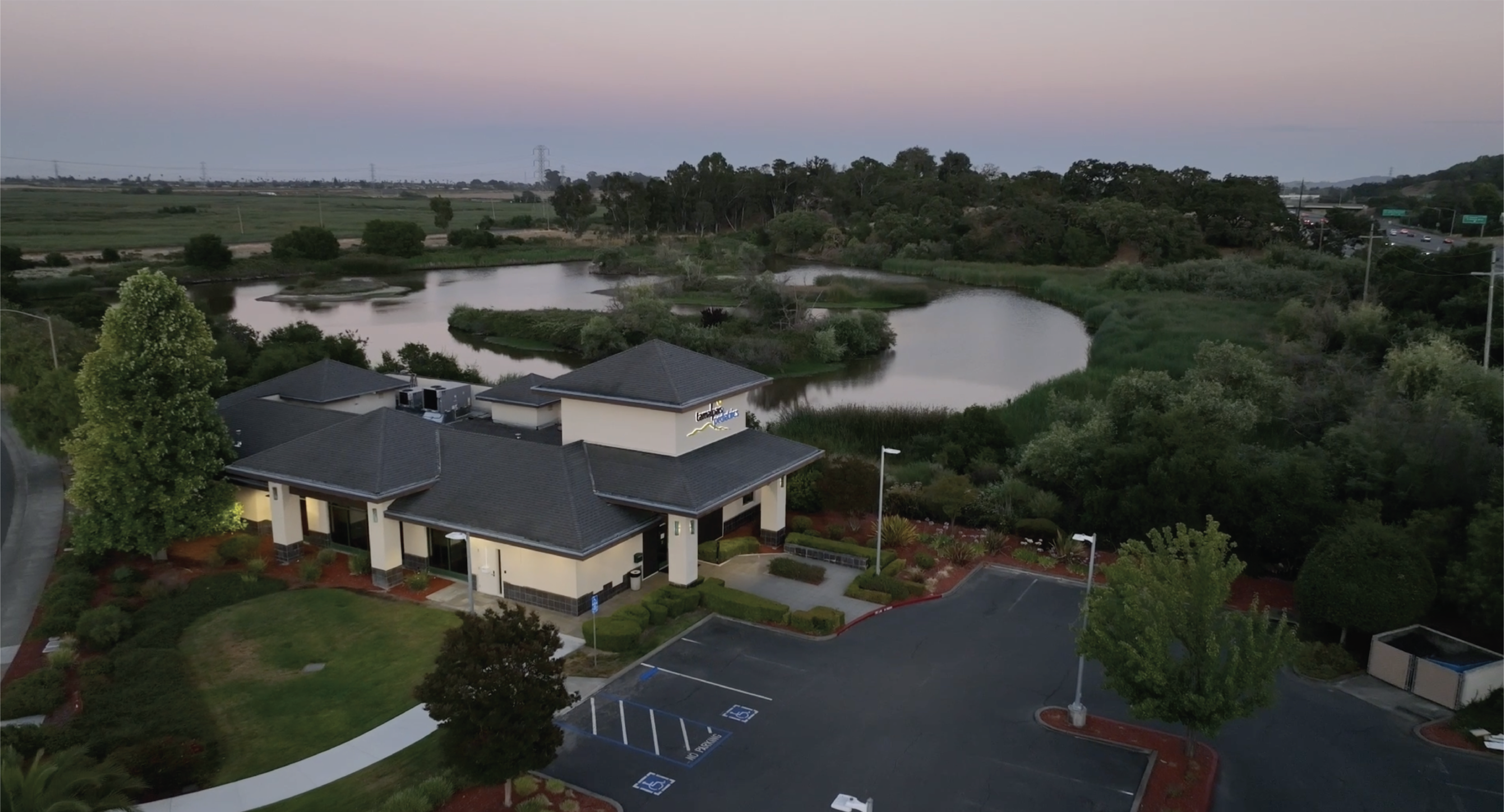
Mission-Critical Healthcare
Acute-care hospitals, surgery centers, dialysis and infusion centers, biorepositories, and research facilities that use animals for scientific purposes. Operations cannot afford to be down for hours at a time; old diesel generators are becoming more and more constrained by regulations set by the air district as well as their fuel storage on-site. Faraday has roots in this market, with the design engineers for the first U.S. islandable acute-care hospital microgrid.
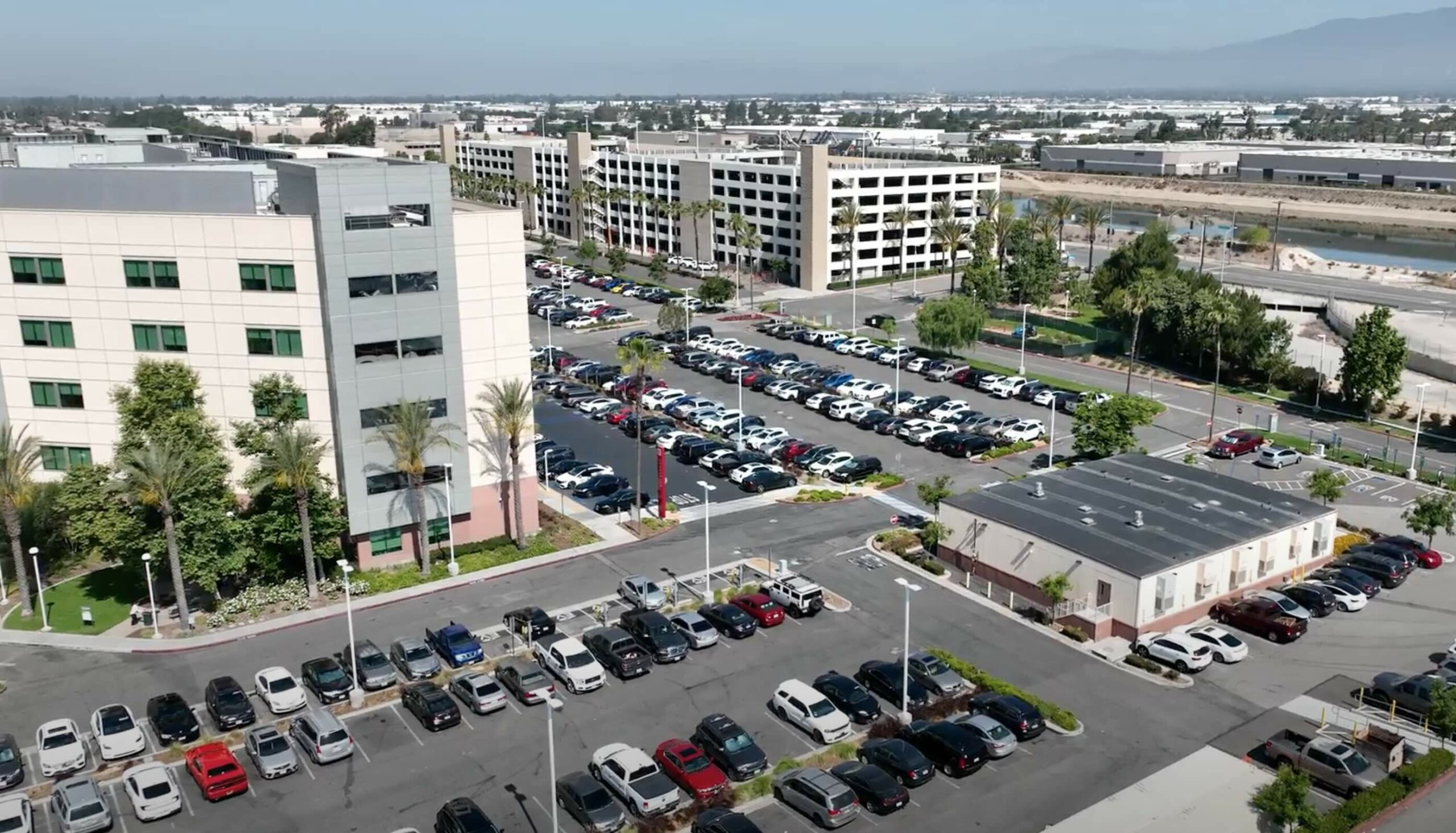
PSPS-Exposed Operations
Commercial or industrial businesses located within the Public Safety Power Shutoff region in California – an area with a high fire danger that requires the initiation of a multi-day shutdown of utility power, something that is no longer a rarity but has become common practice. Independence is sized for the worst-case scenario at your facility, not for an average outage hour, and fueled by a source that is not delivered via trucks.
Facilities capable of dealing with downtime in hours should not be placed under Independence; rather, it should be placed in Endurance. The block below provides an answer to the question of routing.
What’s in a Faraday Independence system.
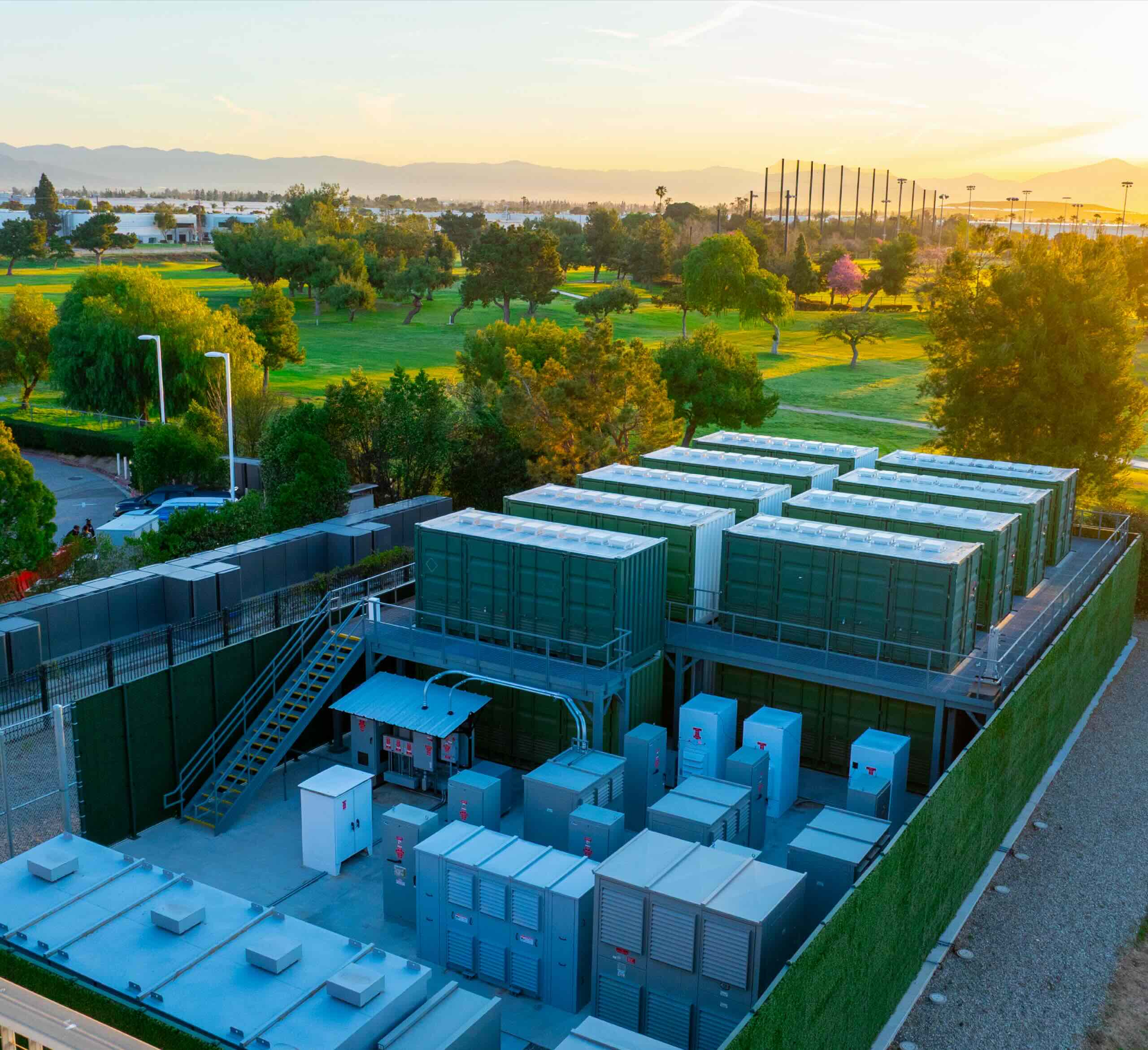
Components
- Solar PV — sized to the facility’s load profile and roof / ground-mount footprint.
- Battery storage — sized for short-event backup on critical loads, daily peak-shaving, and time-of-use arbitrage.
- Linear generator or fuel cell — sized to carry critical loads continuously through a multi-day outage; runs on natural gas, propane, RNG, or hydrogen blends as the site supports.
- Islanding-capable inverter and protective controls — automatic disconnect from the grid during outages, automatic resynchronization on grid restoration, automatic dispatch of the fuel-based generator when battery state-of-charge requires it.
- Critical-loads partitioning — switchgear and panel work to isolate the loads you choose to keep running through outages.
- Gas service interface — coordination with the gas utility on metering, regulation, and (where required) service upgrade.
- Monitoring, controls, and remote operations — included; under PPA or lease, Faraday operates the system on behalf of the host.
How it operates
On a typical day, the solar panel sends its output directly to the facility, with excess going into the battery. The battery then discharges during the high-price period (on-peak) to save energy costs and decrease peak demand costs. The linear generator or fuel cell is off.
In the event of a brief grid power outage, which could last anywhere from a few minutes to several hours, the islanding inverter identifies the outage in milliseconds and disconnects itself from the grid while keeping the critical loads panel alive using battery power augmented with solar power during the day.
In the event of a prolonged power outage, which might stretch out for several hours to several days, and the battery power level falls below a predefined level, the linear generator or fuel cell generator will activate itself and power the critical loads panel load. The battery still serves the role of providing fast transients. Meanwhile, solar energy supplements during daylight hours. The fuel-based generator operates efficiently at the optimum point. Duration is limited by the amount of fuel available, which means, in the case of natural gas generators, as long as the natural gas distribution network is up.
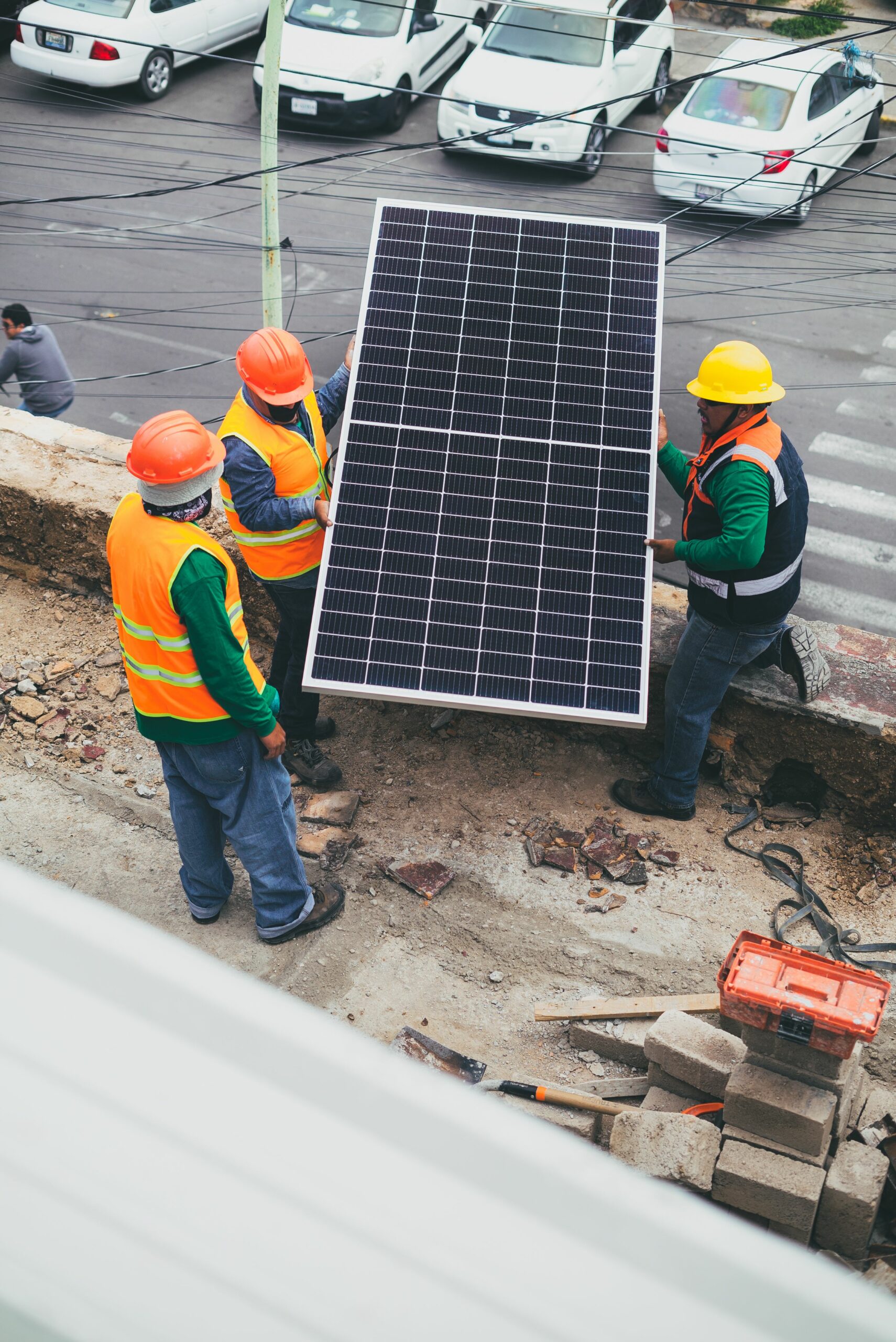
For Independence systems at California commercial sites, Faraday sizes them as requiring at least 200 kW peak load and more, where the minimum threshold is a function of multi-day outage cost risk rather than the size of the building itself. The Feasibility Study determines if it makes economic sense for you.
Should your current natural gas supply not be able to handle the loads needed for an Independence system, the cost of upgrading from the gas company could take 6-18 months to complete. This is scoped in advance through the Feasibility Study process, and why a Feasibility Study makes sense for Independence installations specifically.
One budget line item. Three benefits – multi-day resiliency, reduced energy expense, no diesel.
If your site falls under one of the four Independence profiles, then the most expensive thing your site faces is not the energy bill, but the total loss from a major grid failure. A multi-day outage at a cold storage site, a continuous process line, a medical care facility, or even a PSPS-threatened installation typically costs more per incident than the cost of the entire microgrid system. Independence is built for a prolonged grid event with constant fuel-driven generation, as long as the gas utility’s distribution network is up and running.
Through a PPA or equipment lease, a Faraday Independence microgrid will not be a capital expenditure. The monthly cost of energy your business pays to the utility becomes part of a reduced, predictable monthly cost to Faraday. Multi-day resilience on natural gas, propane, or hydrogen blends is part of the same budget line item. And the problem of a fresh air-district diesel regulation that makes diesel prohibitively costly becomes a non-issue for commercial customers in California.
One budget line item. Three benefits – multi-day resiliency, reduced energy expense, no diesel. Capital expense eliminated.
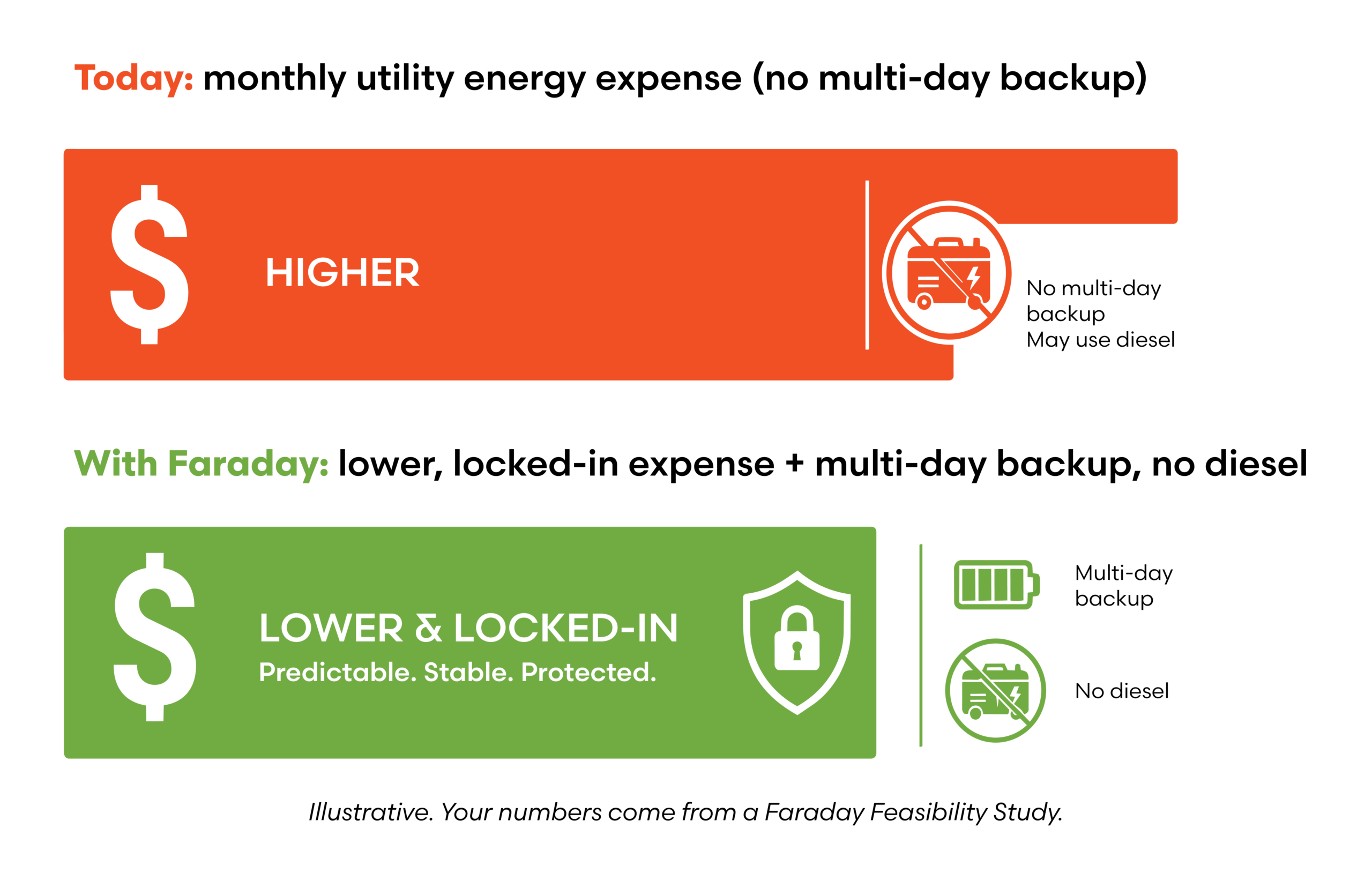
Why “just a generator” — diesel or not — is leaving money on the table.
California commercial buyers evaluating multi-day backup systems evaluate Faraday Independence installations relative to four other options. Each of them is the solution to a specific problem; none of them is the solution to the buyer’s problem.
A diesel generator alone
Diesel standby generators are the standard backup configuration for most California commercial buildings – and will increasingly be the backup configuration that air districts won't approve. Approval standards for new diesel installations have become ever more stringent in California coastal and urban air basins, while existing diesel engines are subject to runtime hour limitations, fuel storage limitations, and air quality monitoring that increases year after year. A diesel generator also provides back-up power during outages but generates zero financial gain for the remaining days of every week. Faraday Independence, by contrast, offers multiday back-up power along with substantially reduced NOx, particulates, and carbon dioxide per kWh compared to diesel – and offers financial gain each day through savings from the solar and battery components of the system.
A reciprocating natural gas generator alone
The reciprocating NG generator is the second most common default choice, along with being an increasingly common loophole for avoiding diesel permits. The issue of air district permitting is fixed on the surface level, but the mechanical construction remains the same. Crankshaft, many moving parts, limited efficient operating range. In the case of a microgrid system where the generator’s purpose is to cover up for the holes created by solar panels and batteries, the reciprocating engine will spend most of its time operating beyond its efficient range. Linear generator and fuel cell can run efficiently at part load, and this is important because the Independence dispatch system operates at part load.
A battery alone
Backup of multi-days using batteries alone is technically feasible but economically impractical. The batteries needed to handle the critical load during a 48 to 72-hour outage by the grid without the support of fuel-based generators will be very far away from any rational cost-per-kWh equation. Independence involves the combination of the battery which can handle the short-duration outages and reduce the daily bills along with the fuel-based generators that can handle the long-tail duration; sizing of each one being done efficiently. If you have gotten a quotation for multi-day battery-only backup, it should raise a warning bell, because in most situations, it should be either the Endurance (battery backup 4 to 12 hours and a generator) or Independence (multi-days, fuel cell or linear generator).
A custom EPC running a one-off project
Custom-EPC engagements are common at Independence project scale — and they remain the right answer for portfolio-level scope, campus-scale systems with combined heat and power or thermal storage, active CAISO market participation, or non-standard capital structures. For a single-facility commercial Independence install where the buyer needs a defensible go/no-go decision, monthly cash flow numbers, a contractable scope on a predictable timeline, and productized engineering rigor, the productized Independence offering delivers all four. The Strategic tier still exists for buyers who specifically need bespoke architectures or a portfolio approach.
Most facilities don’t actually need Independence — start with Endurance.
Independence is designed to serve facilities where the price of a multi-day utility outage falls between hundreds of thousands and millions of dollars a day. That is a valid segment — cold storage, continuous process manufacturing, biotech, critical care hospitals, PSPS-vulnerable facilities — and for such facilities, Independence is the right level. Otherwise, it is too much.
If your facility can weather a 4- to 12-hour grid event where your critical loads continue to operate on batteries with solar during the day, then the correct tier for you is the Faraday Endurance. It is architecturally identical to the Independence system except that it does not have the fuel-driven generator, the gas connection, and the lengthy process of reviewing the gas connection. The capital investment is less, the time period shorter, and Endurance is the core product of Faraday.
The Feasibility Study calculates the cost-benefit for your site, including the cost exposure of outages, the actual distribution of outages at your location, and the proper tier for your operations. The answer to your needs will be determined by the Feasibility Study; having an extended system which you do not need for your operations is a type of failure mode the study avoids.
How does Independence work financially?
The vast majority of Faraday Independence systems are financed using a Power Purchase Agreement model, whereby Faraday owns and operates the equipment, while the customer pays a per kWh charge for the generation and use of electricity that the system produces, aimed at providing instant savings compared to the existing utility bill. No initial capital costs are required. The gas-powered generator’s consumption of natural gas becomes a customer cost, but it works only in case of prolonged outages, when the generator is not running.
Hosts with a high “tax appetite” or who prefer to own may benefit from equipment leases, whereby the host pays a fixed monthly fee for use of the wind power technology, owns the equipment at the end of the term, captures the ITC and MACRS, and does not take on any performance risk. Independence project economics can be favorable through lease rather than PPA in some instances.
Cash buyout is an option for customers who have explicitly stated their desire for ownership of the property. Simple payback usually falls within the 5-to-8-year timeframe taking into account the existing ITC and the value of continuous operation from the multi-day backup. The hosts for whom the major cash flow issue is cost avoidance of multi-day outage rather than electricity bill economics need to calculate their simple payback as well.
Every Faraday Feasibility Study compares all three structures with site-specific economics, including the gas-service-upgrade scoping, the realistic outage-cost exposure for your site, and the per-tier comparison against Endurance. The Study is the path to your numbers.
Should Faraday be able to maintain operations at a Level 1 trauma center, then an Independence commercial installation is merely an extension of a project Faraday has completed before.
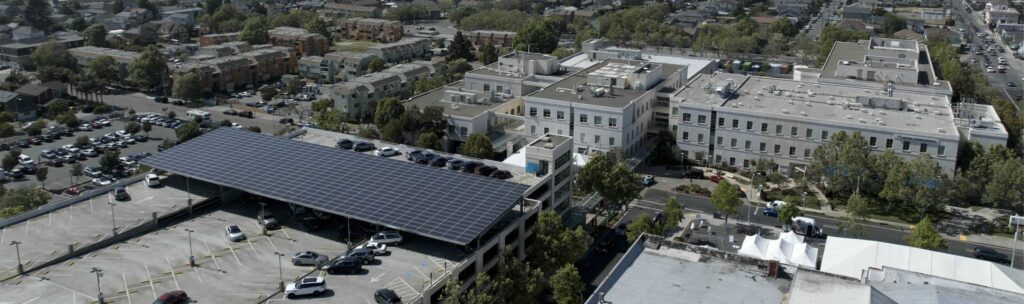
Faraday’s engineering group was responsible for designing and building the first ever hospital microgrid that could operate as an island in the United States. This engineering group was involved in modifying the NEC code to allow installation of modern microgrids. Their work covers solar power generation, battery storage systems, fuel cells, automatic islanding, critical load management, and controls.
The Independence architecture for a commercial facility is the very same architecture, only applied at a smaller scale. The fuel cell or linear generator is the same type of fuel-powered generation that Faraday has already implemented at the hospital-scale level. The islanding and critical loads segregation process is the same field of engineering. The scheduling process that synchronizes solar, battery and fuel-based generation through a multi-day period of outage is the same logic as well. What is different here is the scale of the solution, its ICP profile and contractual approach.
What makes it matter for an Independence purchaser is the fact that engineering risk associated with a multi-day backup installation commercially is much lower than engineering risk associated with the initial hospital installation – and Faraday has successfully pulled off the difficult one. Independence is the productization of something that has been done before.
Common questions about Independence.
Linear generator is a relatively recent generation technology that works according to an entirely new principle of mechanical operations compared to traditional reciprocating internal combustion engines. In the process, a linear generator squeezes and burns fuel in a linear combustion chamber that forces a magnet to move through a coil producing electric power – no crankshaft, less moving components, great fuel flexibility, and reduced emissions compared to diesel in kwh per unit. Also, linear generator operates well even at partial load, which is important when talking about microgrid since the generator would be needed for gap filling provided by intermittent solar and battery.
The capacity for Endurance is measured in hours and ranges between 4 to 12 hours on critical loads from batteries alone and further extends due to the presence of daytime solar power. The Independence capacity is measured in days or weeks and will last as long as there is fuel for the generator or fuel cell to generate power. Systems that use Independence as their capacity are designed in a way that they are capable of taking care of the critical loads on the fuel-based generators and fast transients on the batteries.
Independence is intended for facilities whose cost of being without power for a long period of time is in the hundreds of thousands of dollars, not in the thousands of dollars. Some common examples would be big cold storage and food processing plants (product degradation lasts longer than the battery run-time), continuous manufacturing processes (semiconductors, glass, some chemicals), biotech facilities with live samples or integrity issues, mission-critical healthcare facilities, or any facility in PSPS prone areas who have experienced multiple days of being without power. Facilities who are capable of handling several hours of outage belong in Endurance and not Independence — buying a solution that exceeds your requirements is a failure mode the Feasibility Study helps to avoid.
Significantly less. Both linear generators and fuel cells generate considerably less NOx, particulates, and CO2 on a per-kWh basis compared to equivalent diesel engines. In California’s coastal and urban air districts, where permitting for a new diesel standby generator has been increasingly difficult, in some cases almost impossible, Independence may be the only way forward for multi-day backup generation that passes through air district approval. For businesses with ESG pledges or corporate emissions reporting requirements, or those that operate adjacent to communities, this too becomes a factor.
Find out if Independence is the right fit for your site — or if Endurance is.
A free 30-minute screening call. If your facility is a fit, the next step is a 30-day, fixed-fee Feasibility Study — and the Study fee credits 100% toward your installation contract if you proceed.