Skip to content

Faraday Industries — Food Processing

Reliable Power. Continuous Production. And a smaller energy bill.

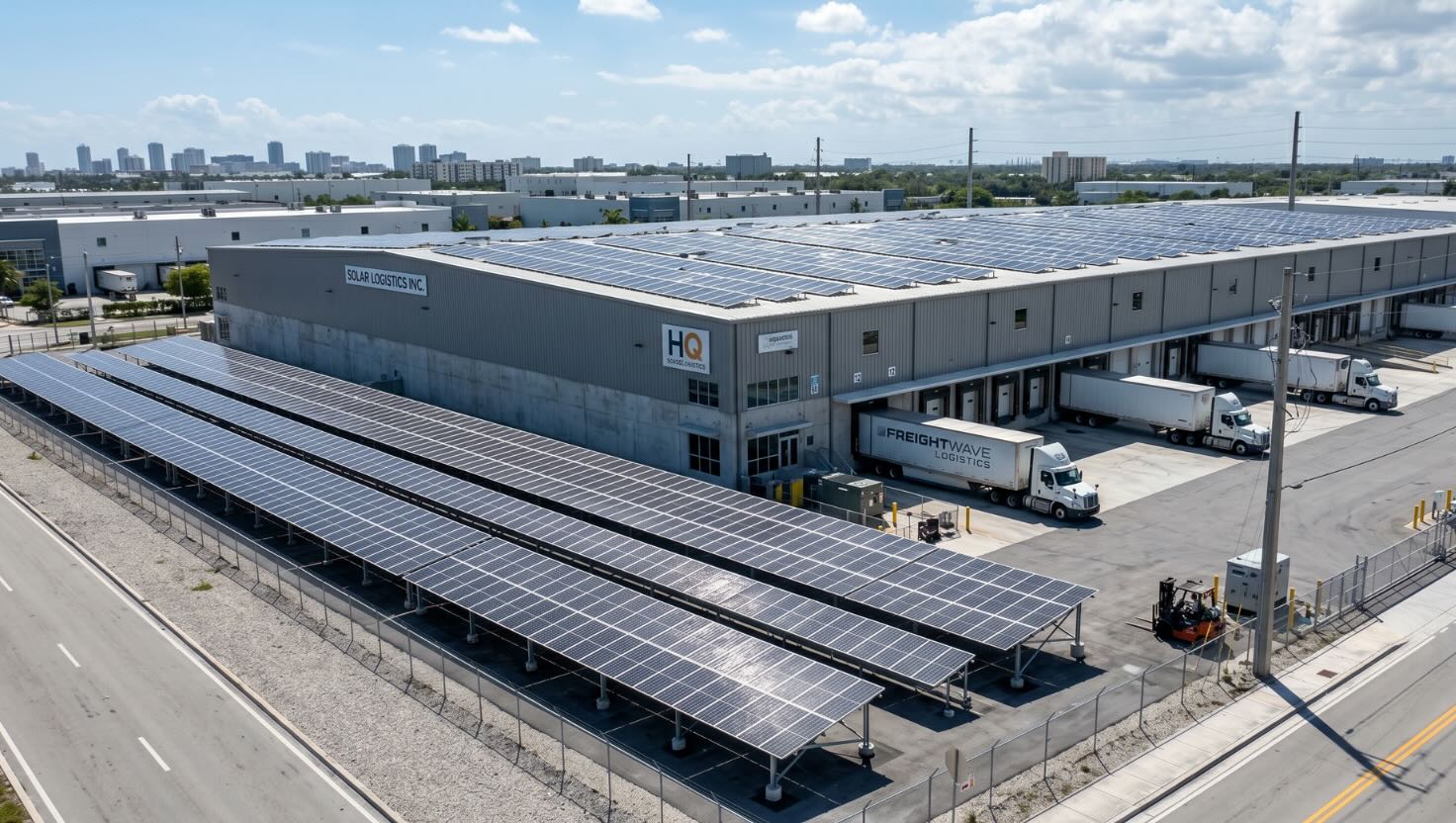
For California food and beverage processors, a Faraday Endurance microgrid lowers your energy operating cost, keeps continuous-process lines running through grid outages, and replaces a piece of your utility bill with a more predictable monthly expense. No capex required.

Why a generator and an ATS aren’t enough on a continuous-process line.

A diesel generator and an ATS protect a food-processing plant on paper. In practice, four FP-specific patterns make the standard answer inadequate. Each is a place where Faraday’s Endurance approach — solar, storage, automatic islanding, and multi-hour battery support — does something a generator alone cannot.

Lost batches when an ATS can’t bridge a sag.

On a continuous-process line, a grid event that an ATS can’t bridge is a lost batch, a four-to-twelve-hour re-sanitation cycle, and product disposal — not a brief inconvenience. The financial exposure on a single continuous line during a two-second event is commonly thousands of dollars per minute of downtime — orders of magnitude larger than a month’s demand-charge bill. Battery-backed automatic islanding rides through the event without a generator-start gap. An ATS cannot.

FSMA documentation risk on your finished-goods storage.

Most food-processing plants carry refrigerated finished-goods storage subject to the same FSMA preventive-controls rules (21 CFR Part 117) as a pure cold-storage facility. Temperature deviations during outages are documentable preventive-controls events. They require corrective-action records, are subject to customer audit, and in serious cases trigger FDA Reportable Food Registry obligations. A two-hour generator-start gap during a transfer-switch failure becomes a documentation event, not just an inventory risk. Microgrids with seamless islanding remove that documentation event from the path.

Failed CIP cycles disrupt the shift schedule.

Clean-in-place cycles that fail mid-cycle on a power event require full re-do — drain, chemical-reuse penalties, shift-schedule disruption, and in many cases a re-validation of the cycle before production resumes. On wet-process lines (dairy, beverage, sauces, prepared foods), that disruption cost is concentrated, predictable, and avoidable with a multi-hour battery envelope a generator-start gap cannot match.

Voltage sags an ATS can’t see.

Variable-frequency drives, modern PLCs, and servo-controlled packaging equipment trip on voltage sags as short as 50–200 milliseconds — events an automatic transfer switch cannot detect, let alone bridge. A genset-and-ATS architecture protects against full outages but not against the more frequent power-quality events that actually drop FP lines. An Endurance microgrid with grid-following inverters and battery support provides ride-through on those sags. A generator does not.

What Endurance changes about your monthly bill and your outage exposure.

Endurance is Faraday’s primary commercial tier. For a food-processing plant on PG&E, SCE, or SDG&E, it translates into three operational outcomes that map to how FP facilities actually use energy and lose money to grid events.

Peak shaving on demand-charge tariffs.

Solar generation shifts daytime load off the bill; battery dispatch flattens shift-start ramps and equipment-cycling demand peaks that otherwise set your monthly billed demand. On B-20 and TOU-8 rate schedules, demand charges typically run 30–45% of an FP facility’s electric bill — battery dispatch is the single biggest lever on that line item. The continuous-load shape of a food-processing plant changes the dispatch math from a cold-storage facility’s compressor-cycling pattern, but the demand-reduction outcome is the same.

Automatic islanding for line and audit continuity.

When the grid drops or sags, the system disconnects in milliseconds and runs your selected critical loads — primary process equipment, refrigerated finished-goods rooms, packaging lines, sanitation systems, life-safety / egress — on solar + battery without the generator-start gap. The grid-following inverter architecture also rides through power-quality events that an ATS cannot see. If a generator is present, the microgrid sequences it cleanly into the islanded operation rather than fighting it.

Multi-hour battery support, right-sized.

Endurance covers 4–12 hours of critical-load runtime depending on system sizing. For most FP outages — which are short — that envelope covers the event without losing a batch, triggering an FSMA documentation event, or burning generator fuel. For longer outages, the generator (or for harder-resilience profiles, a Faraday Independence configuration) extends the duration.

Which Faraday tier fits your manufacturing facility?

If you’d rather compare all four Faraday tiers side-by-side, see the Tiers Hub. The short version: most food-processing facilities fit Endurance, with Resilience as the alternate for smaller batch processors with predictable, shift-bounded loads.

Endurance — the primary food-processing fit.

Solar + storage + 4–12 hours of automatic backup for selected critical loads. Built for food-processing plants where a continuous line, refrigerated finished-goods storage, or a CIP cycle cannot afford an outage gap.

Resilience — when shorter ride-through is enough.

Solar + storage + 1–4 hours of automatic backup. Fits smaller batch processors with predictable, shift-bounded loads — where a one-to-four-hour battery envelope covers the longest planned outage and demand-charge reduction is the primary economic driver.

Need help deciding?

Not sure which fits?

That’s exactly what the Faraday Feasibility Study answers — your specific shift pattern, your outage tolerance, your downstream customer service-level exposure, and your demand-charge profile all feed the tier-sizing decision.

What this looks like for a 1,200 kW food-processing facility on PG&E B-20.

Below is a directional worked example based on a representative California food-processing facility, calibrated against Faraday’s Feasibility Study Sample Report. Your specific numbers will be different.

Profile.

  • Rate schedule: PG&E B-20 Primary Voltage (or equivalent SCE TOU-8 / SDG&E AL-TOU on those territories).
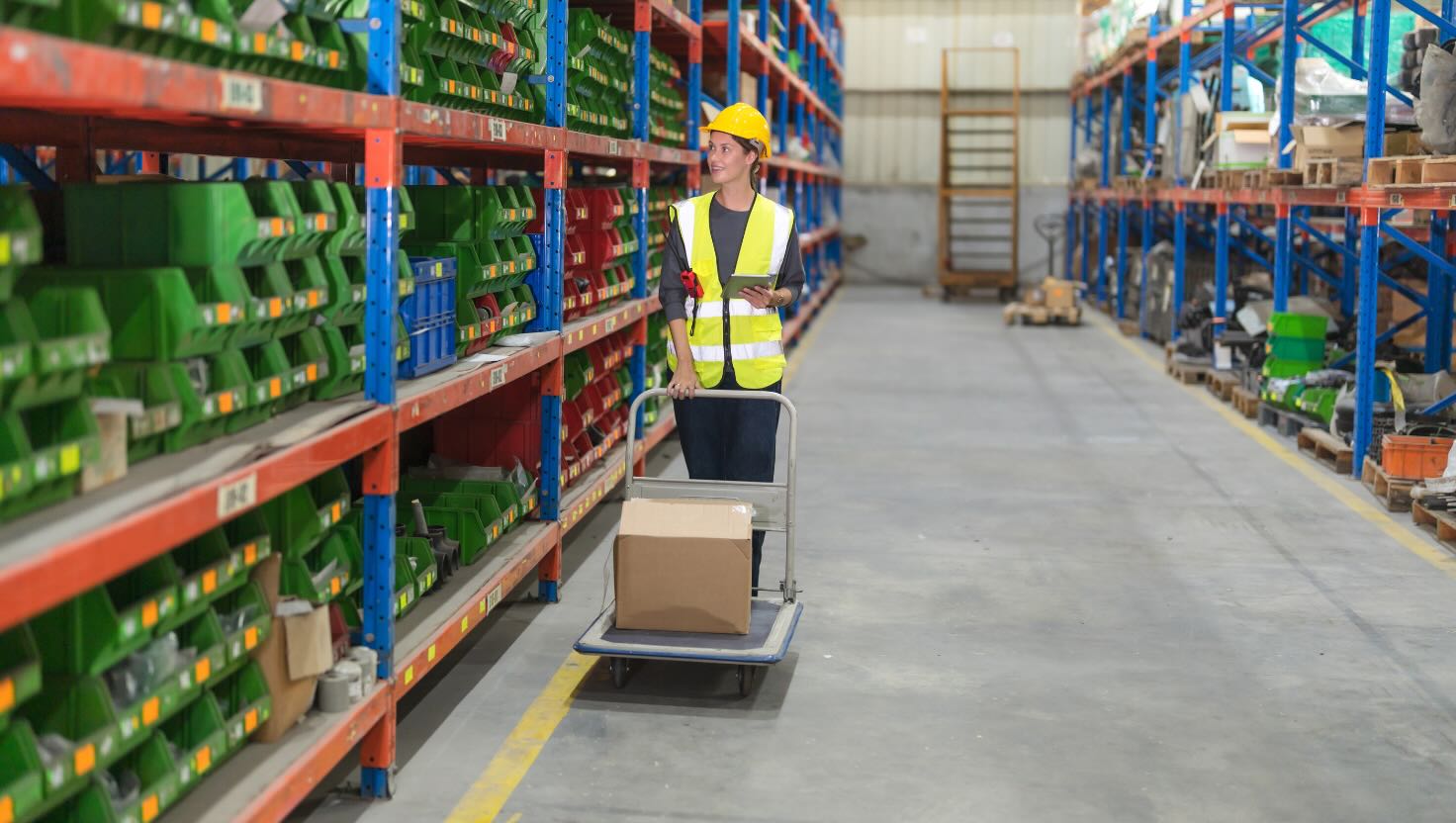
  • Facility type: continuous-process or multi-shift batch food-processing plant with refrigerated finished-goods storage.
  • Floor area: ~250,000 sq ft.
  • Annual peak demand: ~1,200 kW.
  • Annual consumption: ~7,500,000 kWh.
  • Annual utility bill (status quo): ~$1,780,000.
  • Annual demand charges: ~$885,000.

Faraday Endurance system concept.

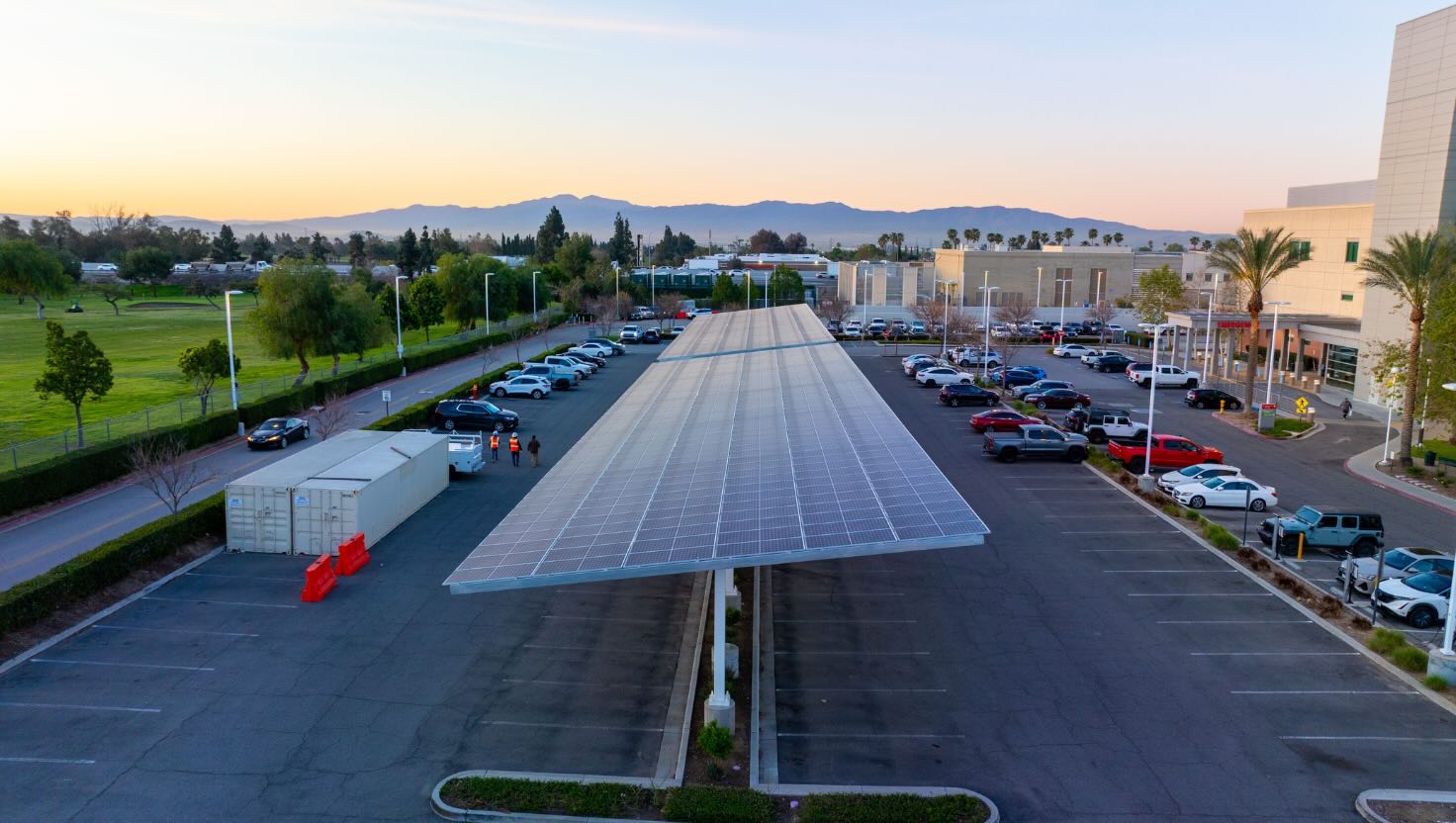
  • Solar PV: ~1,800 kW DC.
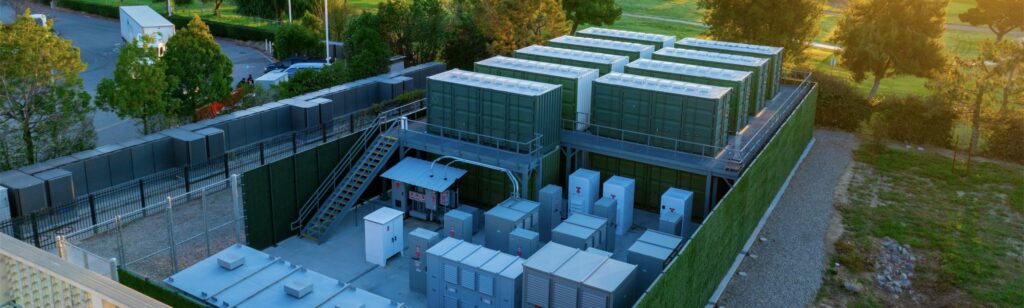
  • Battery storage: ~2,500 kW power / ~10,000 kWh.
  • Automatic islanding sized to a ~700 kW critical-load envelope: process equipment for the highest-cost-of-failure line, refrigerated finished-goods rooms, packaging-and-labeling, CIP / sanitation systems, WMS / IT, life-safety / egress.

Directional Outcomes

  • Year-1 PPA savings vs. status quo bill: ~$235,000.
  • Year-1 Equipment Lease savings: ~$125,000.
  • 20-year cumulative host savings: ~$8.5MM (Equipment Lease) to ~$9.0MM (PPA).
  • Critical-load runtime during grid outage: 4–8 hours (configurable; Endurance envelope)

The numbers above reflect a representative facility on B-20 with a continuous, multi-shift load profile. Your specific load shape — load factor, shift schedule, process-line ramp pattern, refrigerated-storage fraction — adjusts the sizing balance between solar and battery. The Faraday Feasibility Study calibrates that balance to your interval data and tells you what the right-sized Endurance system looks like for your plant.

What the Faraday Feasibility Study tells you that this page can’t.

The numbers above are directional. The Study turns them into your numbers — your facility’s actual load profile, your utility’s actual rates as billed today, your Endurance system right-sized to your continuous-line and shift-pattern operations, your financing terms quoted by an actual partner. Fixed fee. Fixed scope. Fixed timeline. Delivered as a written report you can hand to a board, a CFO peer, or a finance partner.

What we don’t do.

Faraday Endurance is a pre-engineered commercial microgrid — fixed scope, configurable, right-sized to your facility. Three things are deliberately out of that scope on food-processing projects.

Process-control integration 

We don’t replace your process controls.

 Line-control PLCs, MES integration, batch-control software, refrigeration-rack PLCs, packaging-line servo controls, sanitation-cycle control logic — all stay where they are and remain on your process-control vendor’s contract. The Faraday system interfaces with them at the load-shedding and islanding boundary; it doesn’t replace them, modify their logic, or take responsibility for line-recipe behavior.

We don’t recommend diesel as primary backup.

If a generator is part of the system, it’s there to extend the runtime envelope past the battery — not as the first line of defense. Food-processing operations that rely on diesel as primary backup tend to discover the generator’s failure modes during the first multi-hour outage. We don’t design for that.

We don’t size for facility expansion you haven’t planned.

The system is right-sized to your current load profile and a reasonable growth allowance. If you’re planning a major facility expansion, a new continuous-process line, or a shift-pattern change, that’s the Study’s job to surface — not a sizing assumption we make on our own.

See whether the numbers work for your facility.

Start with a free 30-minute screening call. We’ll walk through your facility profile, your current rate schedule, your shift pattern and outage tolerance, and whether a Feasibility Study is the right next step.