
Faraday Technologies
Solar. Storage. Controls. Backup. Monitoring.
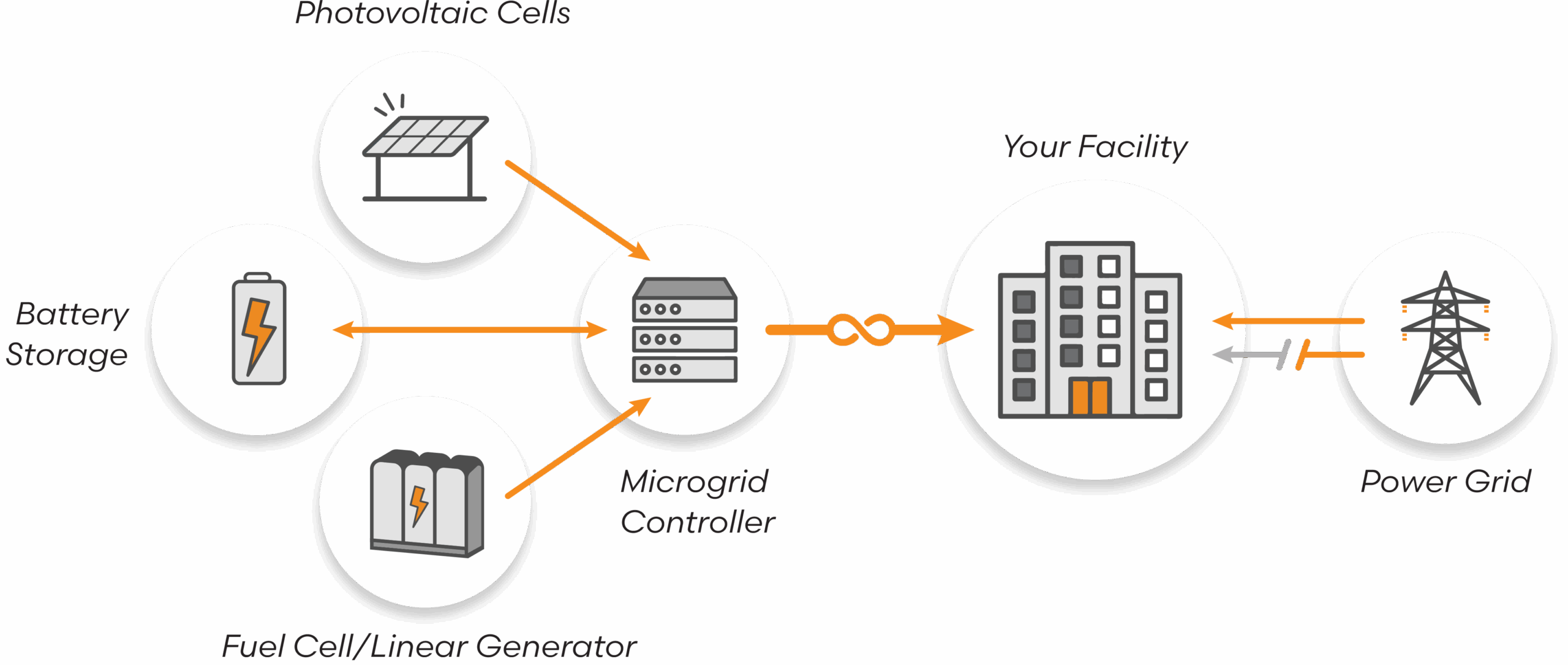
Our microgrids are pre-engineered around five technologies, including solar PV, battery storage, generators, microgrid controls, and power electronics, and monitoring, with extended-duration generation (fuel cell or linear generator) for Independence-tier projects.
Understanding the technologies and how they integrate is key to building the right system for your facility.
What’s actually inside a Faraday microgrid.
There are five main types of technologies that go into each Faraday microgrid. The independent category requires a generation system with extended duration as well. This is what we discuss with you during our feasibility study engagement.
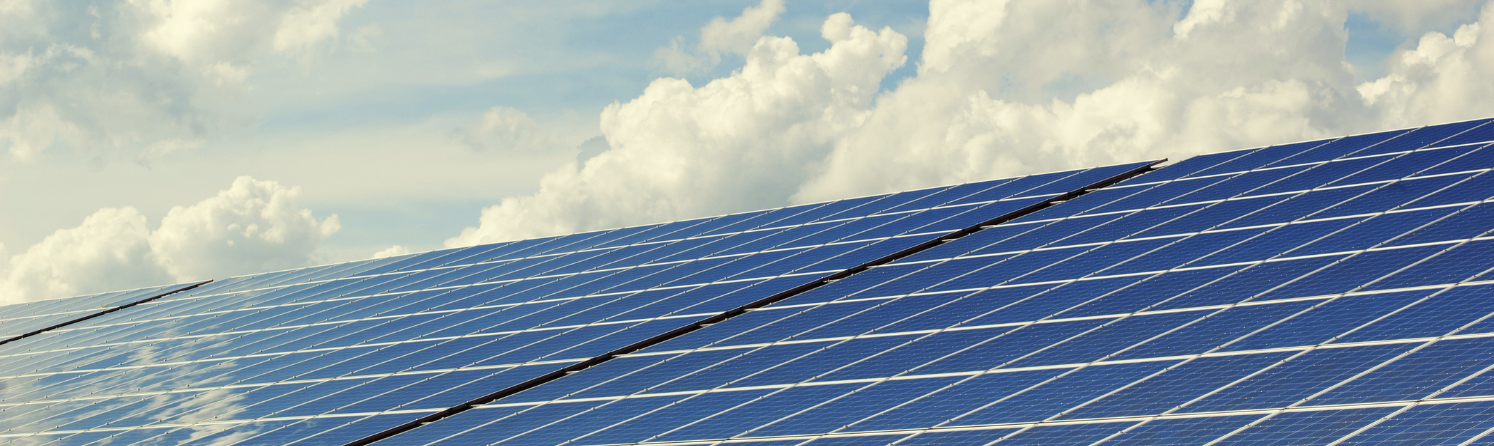
Solar PV
Roof-mounted, carport-mounted, or ground-mounted. Sizing based on your facility’s consumption pattern as well as what your site can handle. Incorporation into your storage and control tiers so that generation is driven by consumption, not just by the meter.
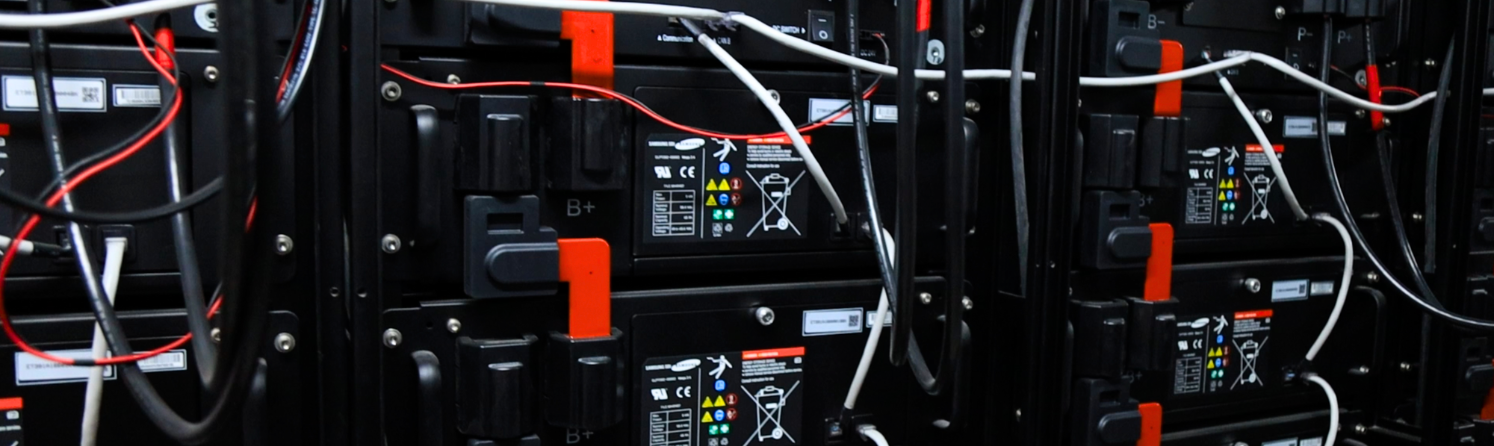
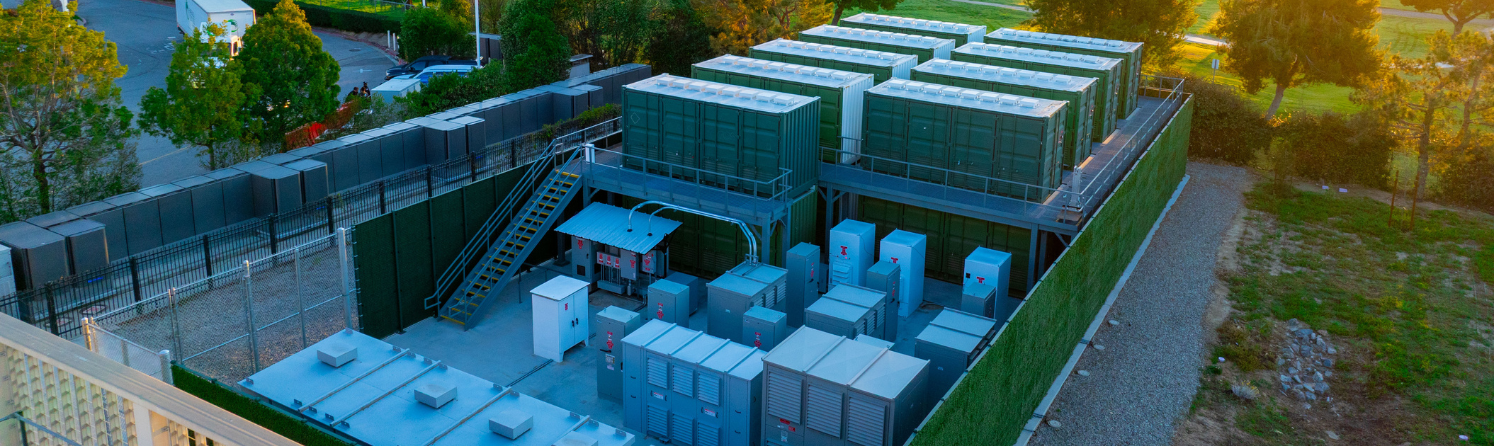
Battery storage
Energy storage systems that have a storage capacity designed to provide power supply for 1 to 4 hours (Resilience), 4 to 12 hours (endurance) or extended periods with extended period generation (independence). Energy storage can have peak shaving as well as backup power functionalities all at once. Lithium-Ion technology is the most commonly used technology.
Microgrid controls
The controls layer is what gives the system the microgrid identity as opposed to merely being an interconnection of solar and storage. All the operations including automatic islanding, generation control, load shedding, and automatic re-interconnect are performed at the controls layer.
Power electronics
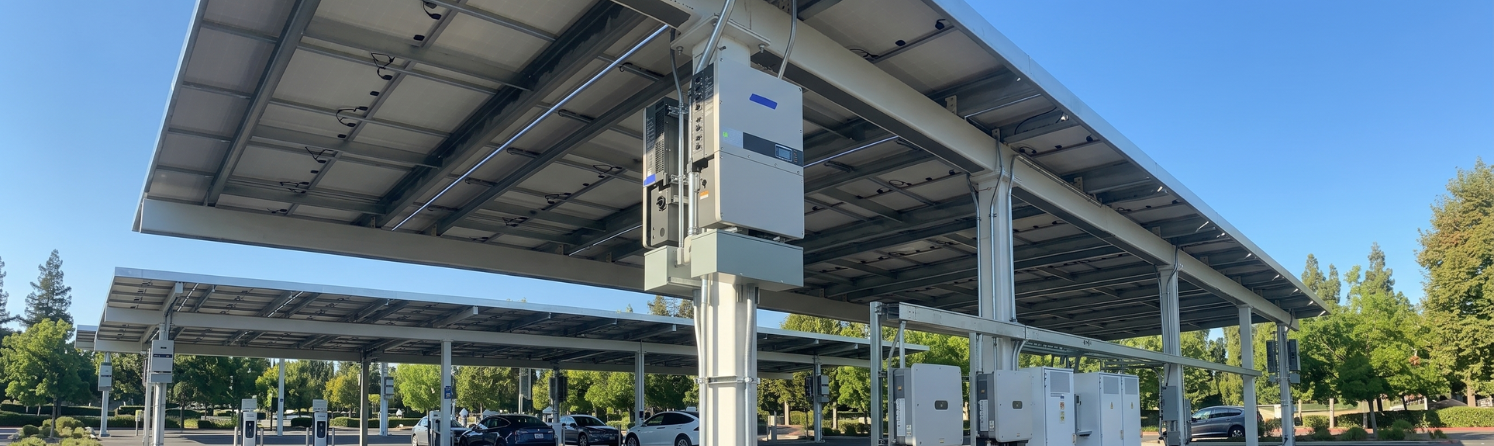
Inverters, transformers, switchgear, and protective and measurement equipment linking the sources of power. Selected based on the power rating, voltage level, and coordination with the utilities for the specific project.

Monitoring
Continuous monitoring of generation, storage, control, and load. Access to Faraday by the facility team and partner team. Performance metrics, alerts, and remote diagnostics integration.
For Independence projects.
Extended-duration generation.
When most people think of generators, they think of diesel. Our technology stack utilizes cleaner resources with fuel cells and linear generators. Where a diesel generator can only operate as back up power, our fuel cells and linear generators run constantly to provide year around savings as well as extended back up beyond what is achievable with solar and battery alone. Not a standard part of Resilience, or Endurance tier configurations.
Vendor-agnostic by design.
Faraday is not a Tesla shop, not a Generac shop, not a Schneider shop, and not any specific vendor’s franchise. Vendor selection happens at the project level, against the project’s specific cost and performance requirementsnot against a procurement-channel preference. The result is that two Faraday microgrids of the same tier may carry different equipment if the project-specific engineering says so. That’s by design to ensure your system is right for your facility.
Criteria for selecting vendors
- Engineering quality machines from manufacturers with the right UL ratings, IEEE approvals, and history of grid interconnections.
- Warranties covering the financing structure period (generally at least 20 years for PPA-financed projects).
- Availability of parts and services in California.
Stack engineering discipline
The right technological setup is important. The practice-based project delivery and code-based engineering make up the stack connection. First, you must understand the rules you need to build to; then you must ensure that the process is carried out effectively and efficiently.

Code stack
The Faraday approach to engineering is based on the proper code stack and listings for commercial microgrids.
- NEC Article 690 — Solar Photovoltaic Systems
- NEC Article 705 — Interconnected Electric Power Production Sources
- NEC Article 706 — Energy Storage Systems
- NEC Article 480 — Stationary Standby Batteries
- NEC Article 517 — Health Care Facilities (where the project sits in healthcare scope)
- NFPA 110 — Standard for Emergency and Standby Power Systems
- UL 1741 SA — Inverters, Converters, Controllers and Interconnection System Equipment (smart-inverter listing)
- UL 9540 — Energy Storage Systems and Equipment
- IEEE 1547 — Interconnection and Interoperability of Distributed Energy Resources
Practice stack
Faraday practice posture is founded upon the project execution practice that converts a code-compliant design into a commissioned and operational microgrid:
- Engineering review — Continuous review of the design of projects to ensure compliance with codes and efficient construction.
- Interconnection coordination — Direct coordination with the electric utility concerning interconnections through Rule 21 (Wholesale Distribution Access Tariff if applicable).
- Construction Management & Quality Control — Continuous monitoring of construction works and inspection of these works to ensure that designs are realized to the best standard possible.
- Commissioning — Complete system commissioning in accordance with manufacturer’s specifications, NFPA 110 commissioning procedures for healthcare facilities, and acceptance by AHJ.
- O&M handoff — Operational documentation, access to monitoring systems, and ongoing O&M support provided through a separate contract.
Frequently asked technology questions.
Vendor choice is decided per project. Faraday has used products from various vendors on our projects; we do not have commitments with any vendor channel that limits us on any particular project. If you have a strong vendor preference for your project, we engage on that conversation — and we’ll tell you if the preferred vendor is the right engineering fit.
Chemistries used in lithium-ion batteries are preferred when it comes to designing a microgrid. Chemistry used, like LFP, NMC, and so forth, will be determined at the project design level, according to the requirements of the application, including cycle life, energy density, thermal considerations, fire code position, and warranty. Other types of technology, like vanadium redox, zinc bromine, and mechanical battery designs, are available but are limited by application.
Yes, the battery storage systems are sourced from UL 9540-listed equipment and the inverters/grid-following power electronics are sourced from UL 1741 SA-listed equipment. The listing is part of the procurement process but is not a Faraday certification.
Faraday is responsible for handling interconnection applications with the utility’s interconnection authority. In most cases, this would be under California Public Utilities Commission Rule 21 for distributed generation behind-the-meter interconnections. The smart-inverter requirements, interconnection studies (where necessary), and supplementary review process are all included within the scope of the engagement.
Battery refresh is the main concern during the 20 years. Almost all commercial PPA terms in California have a battery refresh or replacement scheduled in the 10th–12th year of the PPA contract, with the financing company providing the funds for the refresh or replacement. Other items like inverters, control systems, and other power electronics have their own refresh plans.
Faraday commissions to manufacturer specifications, project-specific commissioning protocols, NFPA 110 commissioning protocol on healthcare projects, and AHJ acceptance. Commissioning documentation is part of the project deliverable set.
Ready to see what’s right-sized for your facility?
Start with a free 30-minute screening call, or go straight to the Faraday Feasibility Study to see the right-sized system for your specific facility — equipment, configuration, and financing.